





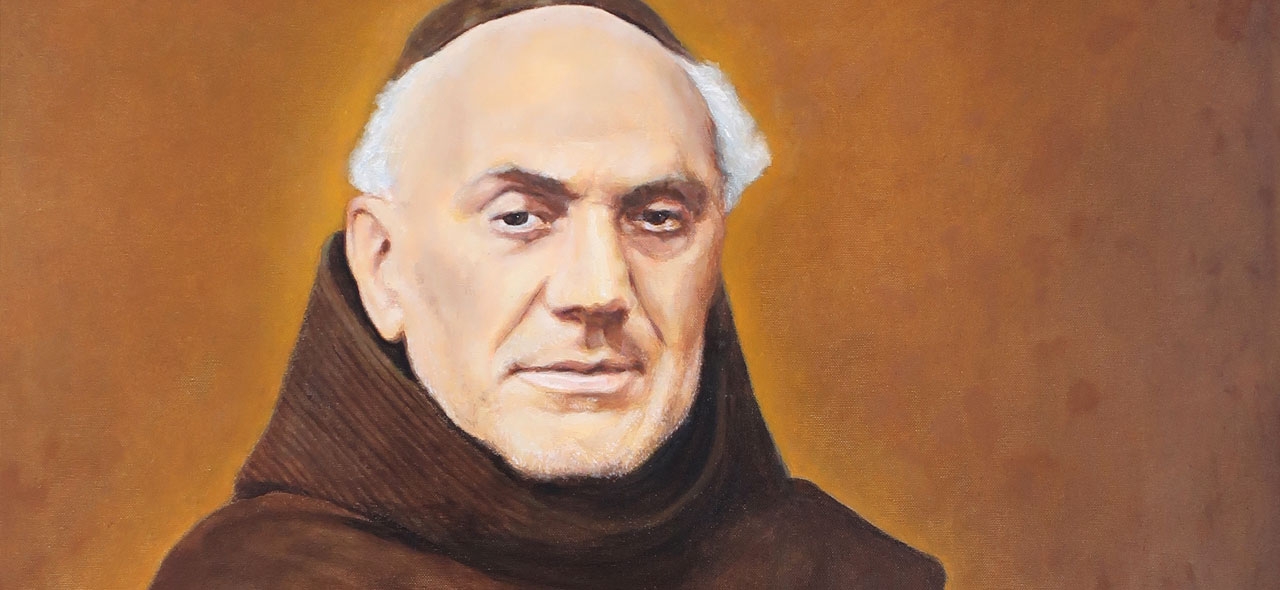
Given the many economic difficulties, Fr. Gregory tried to find the most appropriate solutions to ensure some food to the community. He exhorted the sisters to enliven their feminine talents and arts, so as to contribute to the common maintenance. He also intervenes, to mitigate the penitential practices and in limiting the hours of night prayer to which young women were mandated. Faced with the physical debilitation of so many young nuns, caused by hunger and hardship; suffering from serious and strange diseases due to the unhealthy environment, to the damp walls, Fr. Gregory questions how a solid missionary foundation is conceivable. The tragedy of frequent deaths gave rise to the temptation to dissolve the community or to send at least the novices back to the family. For Fr. Gregory this is another dark hour. It is then necessary to pray and reflect, reflect and pray. His beloved and faithful daughters wished to stay and die rather than leave the house of the Lord, the little paradise of "Saint Mary of the Angels". They asked him to remain close to them, to continue to be their "father". The foundation therefore rests entirely on his shoulders. It is up to him to help young people to know, to appreciate, to live their vocation. For this reason, he trains them to the joyful sacrifice, to the spirit and style of minority, to true fraternal communion. He reserved a special attention for the sick nuns housed in the infirmary of the convent. Thus, the young, familiarizing themselves with their " Most Reverend ", as they call the founding father, gradually learn to assimilate the message of life transmitted. (Cfr. M. Antonietta Pozzebon - " Il Servo di Dio Padre Gregorio Fioravanti, ofm “, Editrice VELAR, 2012)
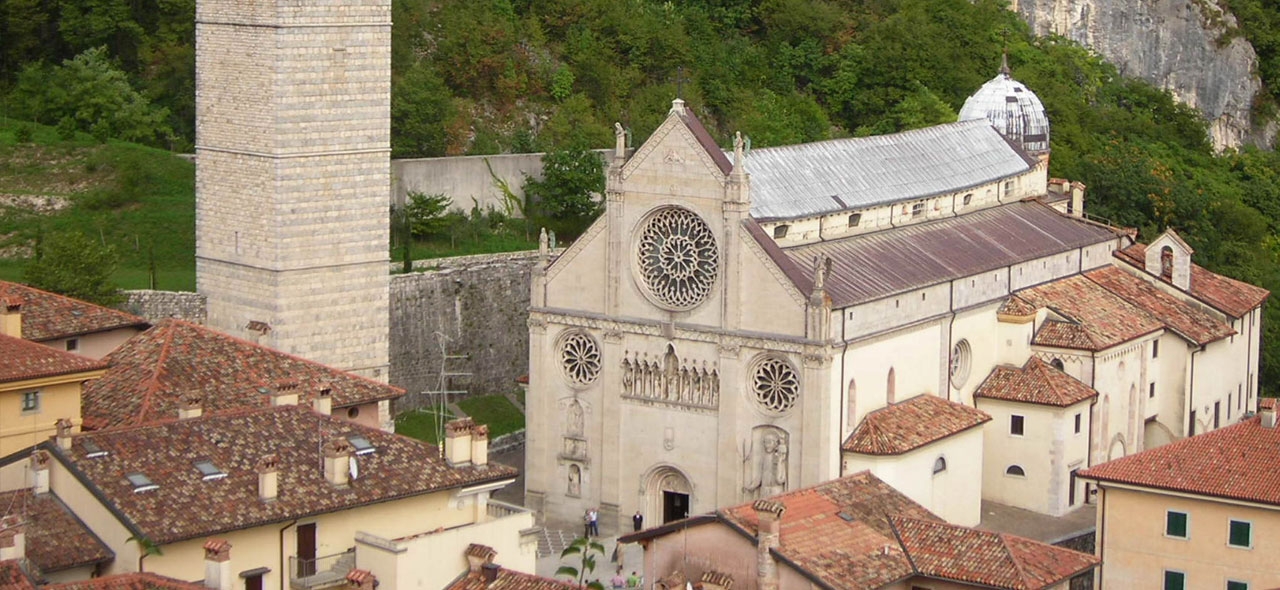
During the summer of 1862 Fr. Gregory, before the General Chapter of his Order, presented the whole complex story of the new women’s institution. The assembly expressed its appreciation for this original initiative. It is in fact, with good probability, the first Franciscan feminine entity was born with the purpose of dedicating itself to apostolic missions. The newly elected general himself, Father Raffaele Lippi da Pontecchio, who knew Fr. Gregory, was pleased with this new religious reality.
In 1863 Mother Josepha left the monastery of Gemona. The approximately 80 sisters (religious, professed, novices and postulants) will remain entrusted to the care of Fr. Gregory. For them Fr. Gregory represents a point of reference, a safe guide. The sisters, meanwhile, are entrusted to the mother vicar, Sister Margherita Lindner of the Passion. The departure of the founder (Mother Josepha) deprived the religious institute of economic resources. Food stocks were also shrinking.
Fr. Gregory, faced with this situation, became a beggar for his daughters. He goes to knock, with great humility, at the doors of those who could help him. He becomes poor among the poor because, in the logic of love, he cares only the primacy of God and a transparent coherence of life... (Cfr. M. Antonietta Pozzebon - " Il Servo di Dio Padre Gregorio Fioravanti, ofm “, Editrice VELAR, 2012)
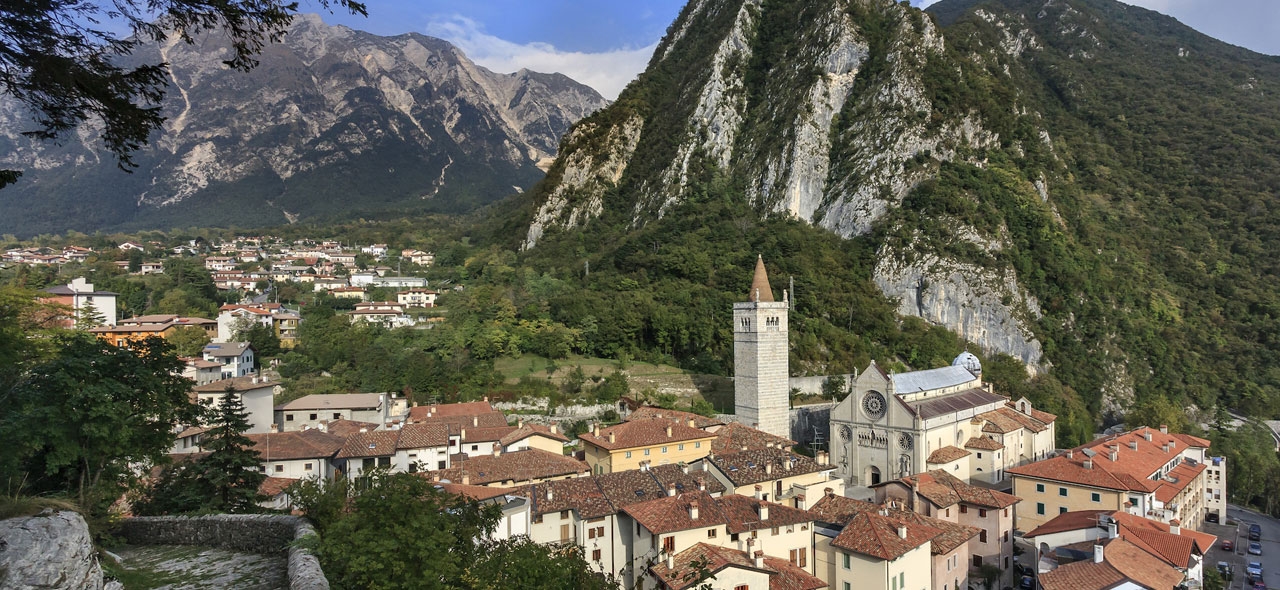
Having obtained the right to renounce the office of provincial, Fr. Gregory left Venice to settle in Gemona, a Friulian town he had known for some time. Leaving Venice, he relives the feeling of dying already felt at the departure from Rome. In the summer of 1860 Fr. Gregory accompanied Sister Josepha to Ostend (Belgium) for spa treatments. In this city Fr. Gregory drew up the first Regulation for the Tertiary Missions of the Seraphic Father Saint Francis. It is the document requested by the Bishop of Udine in order to grant the license to the planned foundation in Gemona del Friuli. Father Gregory and Sister Josepha arrived in Gemona after mid-October 1860. Here an ancient monastery of Poor Clares was purchased. This new environment is given the name of "Santa Maria degli Angeli ". Even in the midst of so many difficulties and labours, on 14 November 1860, Fr. Gregory obtained from Archbishop Mons. G.L. Trevisanato, the founding decree for the new religious institute. Also, the patriarch of Venice, Card. Angelo Ramazzotti, was happy to support him for this new foundation. On 19 November 1860, Father Gregorio had the joy of seeing the first 6 young people clothed in Franciscan habit, which would constitute the first nucleus of religious. Thus, the new foundation is established. On 21 April 1861, in the ancient Cathedral of Gemona, the canonical erection of the new Institute, now known as the "Franciscan Missionary Tertiary Sisters of Gemona", was solemnly celebrated. A splendid procession of 53 novices, followed by Mother Josepha and Fr. Gregory, crosses the narrow streets of Gemona, crowded by people flocking in impressive numbers.
Mother Josepha must often be absent from the Monastery for various reasons and Father Gregory, trusting in divine Providence, must bear the burden of this work. (Cfr. M. Antonietta Pozzebon - " Il Servo di Dio Padre Gregorio Fioravanti, ofm “, Editrice VELAR, 2012)
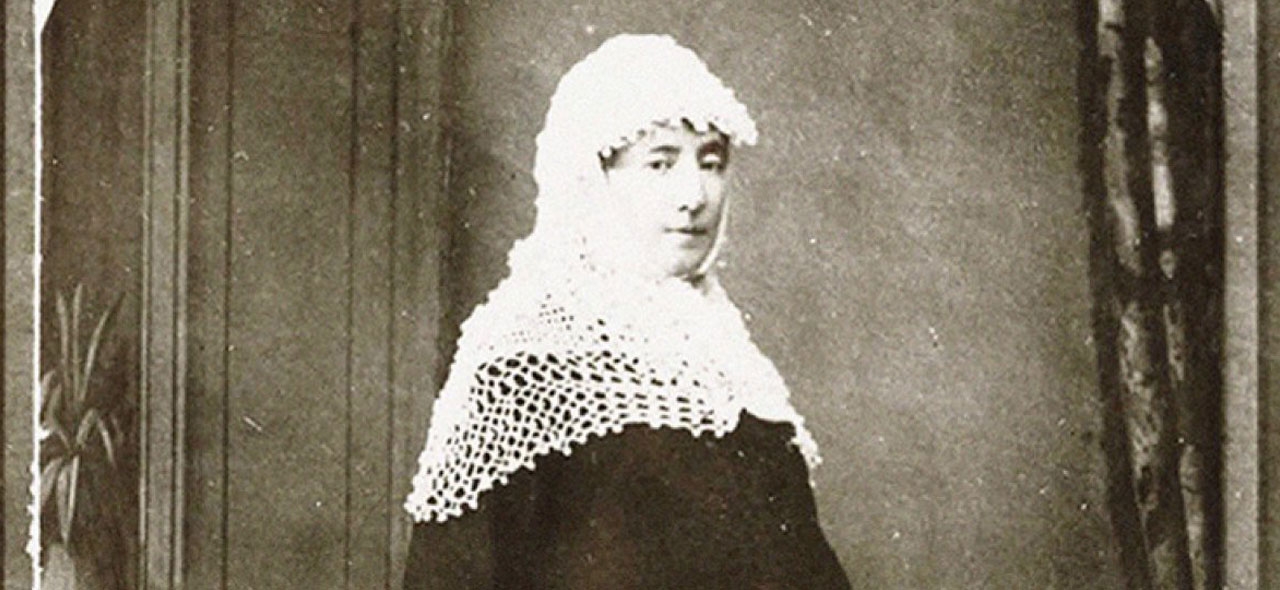
At the end of the summer of 1859, in Venice, Father Gregorio was presented with a proposal, not at all predictable, through the encounter of a woman in search of God. This is a young French lady, Laura Leroux. Dressed as a religious, she asks him to listen first as a simple penitent, then as a soul eager for spiritual direction, finally asking his help to found a religious institute. Fr. Gregory, faced with this proposal, felt disconcerted. Mrs Laura Leroux is married to Duke Roger of Bauffremont, with whom she has a daughter, Elena Mary. Fr. Gregory learned that Mrs Leroux, separated from her husband and child, had left Paris and France and had gone down to Rome, still pursuing the dream of giving herself to God. With so much trust in God, Fr. Gregory understood that his journey of holiness is carried out right next to and through that person. In the elusive personality of the woman, he reads the new code with which God challenges him and the imperative to let himself be guided by him in absolute obedience and trust towards those who represent him. Along with the Duchess - from 27 May 1860, who became a professed member of the Third Franciscan Order under the name of Sister M. Josepha of Jesus - she is totally committed himself, as a direct co-responsible, to the implementation of the shared programme, for the only glory of God... (Cfr. M. Antonietta Pozzebon - " Il Servo di Dio Padre Gregorio Fioravanti, ofm ", Editrice VELAR, 2012).
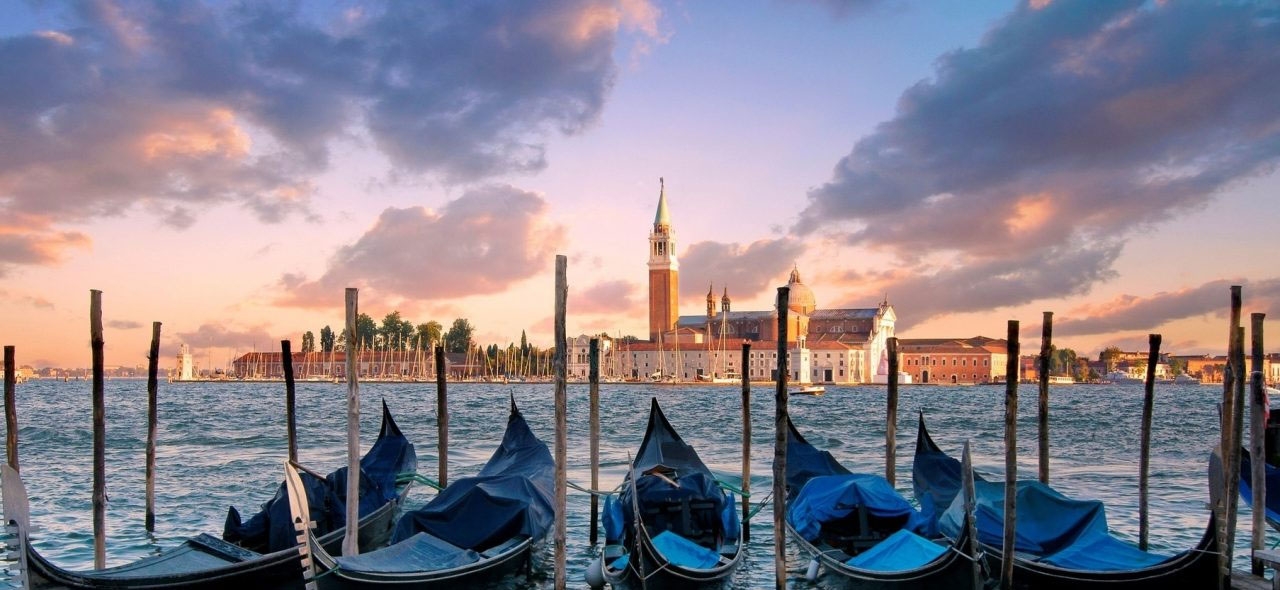
Back in Rome, Fr. Gregory found in his hands a message signed by the Minister General, Father Luigi Flammini da Loreto.
In the message, written on 9 November 1849, was the "the obedience" to go to Venice, to teach theology and philosophy to young clerics of the ancient Franciscan convent of that city, called "San Francesco alla Vigna". Initially, in the new convent, he found himself somewhat disorientated by the diversity of life and the large number of adult friars.
The friars observed the young friar with interest and, above all, appreciated him for his very particular attitude, attentive and benevolent, with which he proposed himself as a religious and as a teacher. As they got closer to him, they better perceived the stock of already considerable gifts, for doctrine and balance, of which they can benefit. This will ensure that, after a few months of arrival in Venice, he is chosen for delicate assignments. In 1856, at the age of 34, he was chosen as provincial minister. It is a heavy task: he has responsibility for over 200 religious, distributed in the vast territory including from Trieste to Milan. Attentive to the calls of Pope Pius IX and docile to the indications of the Superior General, Father Gregorio made every effort to ensure that the brothers were committed to the observance of common life. While the office of provincial Minister is coming to an end, God will ask him yet another reversal. (Cfr. M. Antonietta Pozzebon – “Il Servo di Dio Padre Gregorio Fioravanti, ofm”, Editrice VELAR, 2012)