





In the Encyclical "Fratelli tutti", Pope Francis refers to Admonition 25 of Saint Francis, and highlights the exhortation to love with a love that goes beyond the barriers of geography and space. St. Francis, declares blessed the one who knows how to love the other «both when he is far from him, as when he is next to him». With these few and simple words he explained the essential of an open fraternity, which allows us to recognize, appreciate and love every person beyond physical closeness, beyond the place of the world where he was born or where he lives.
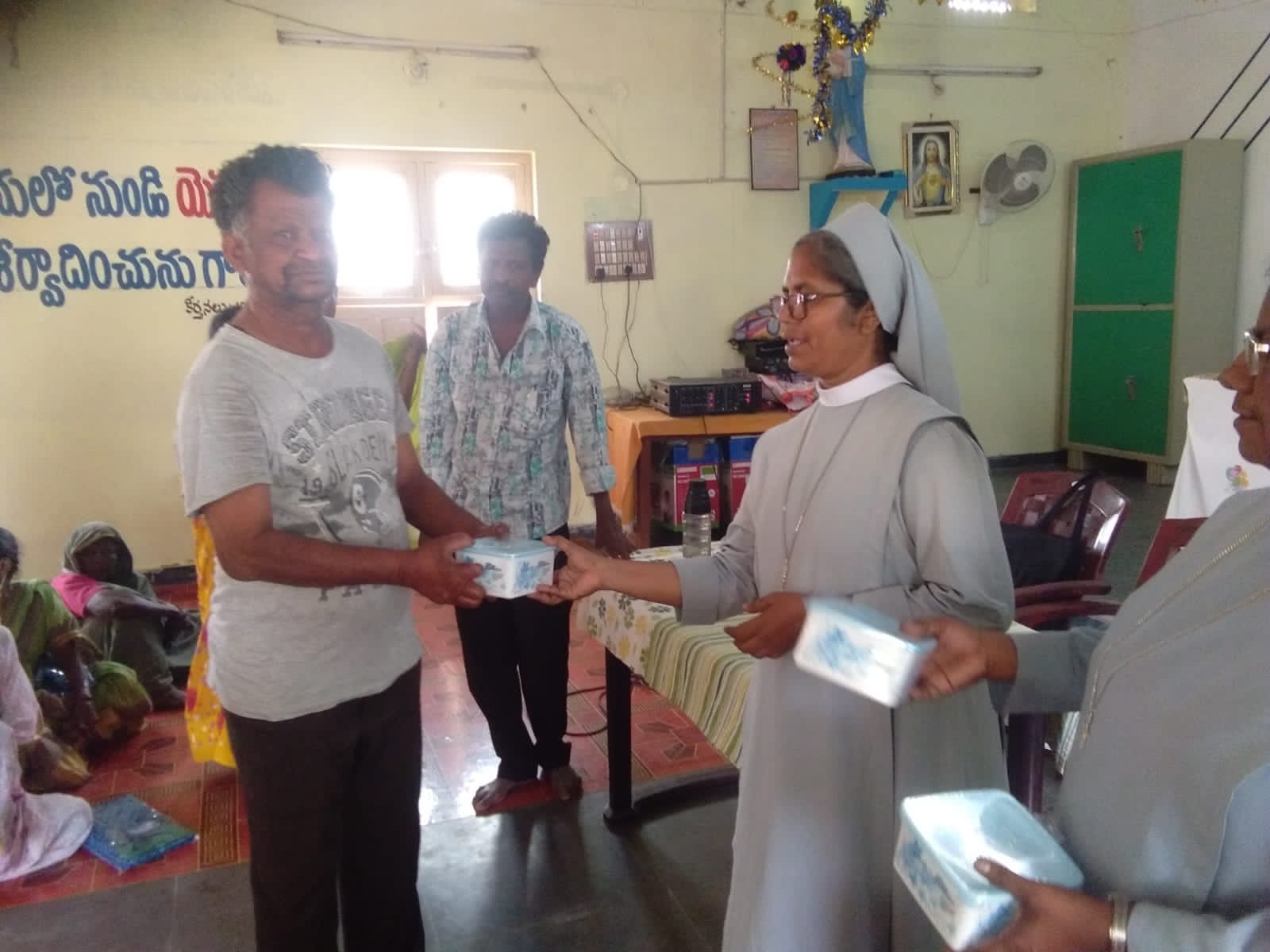
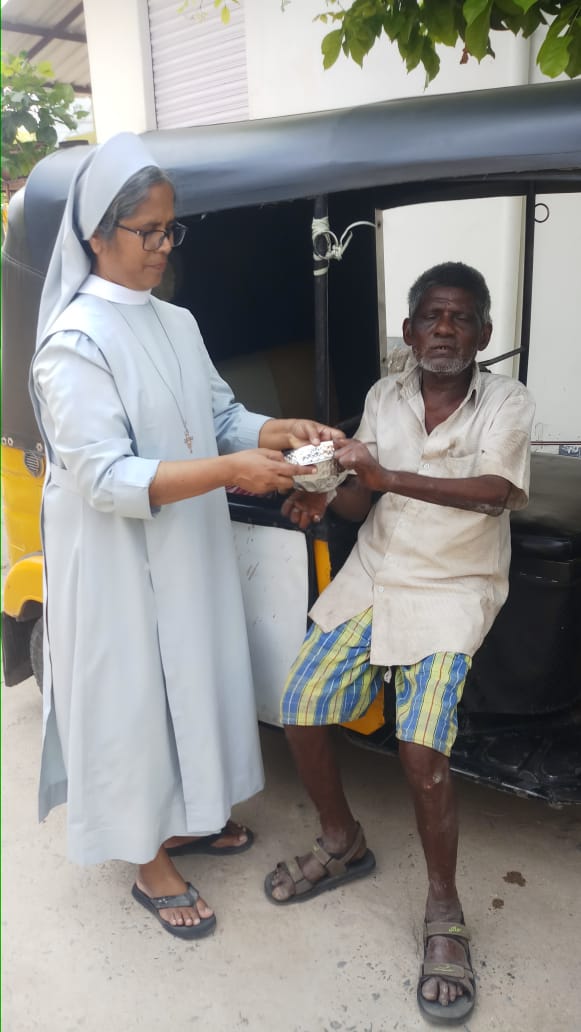
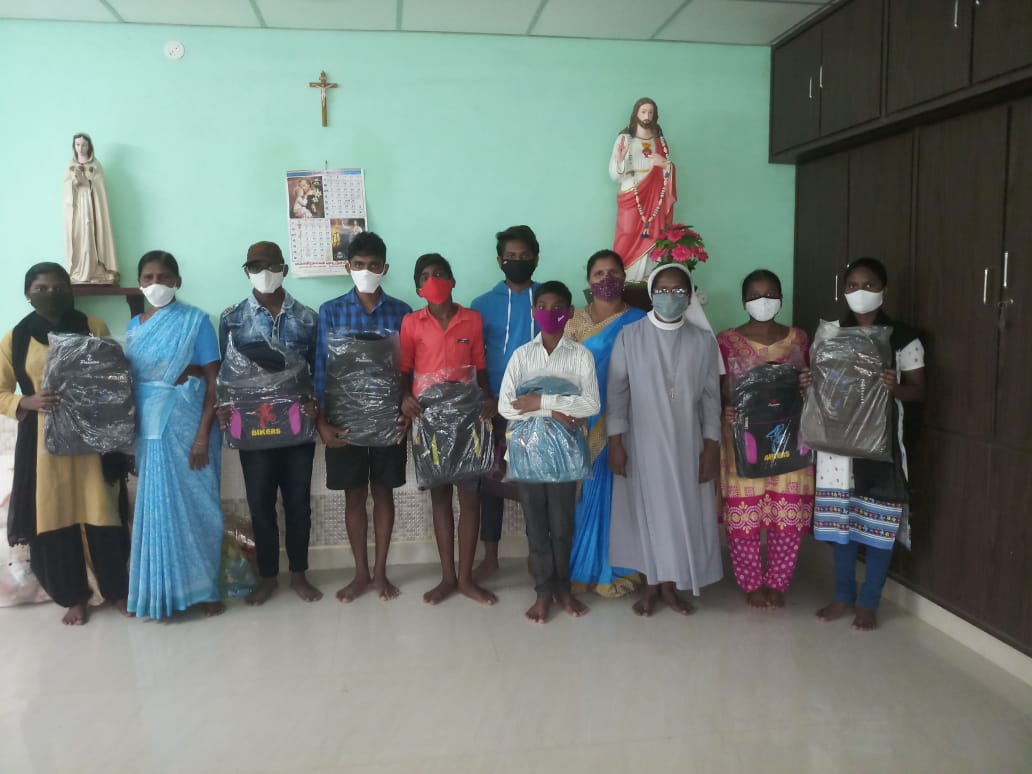
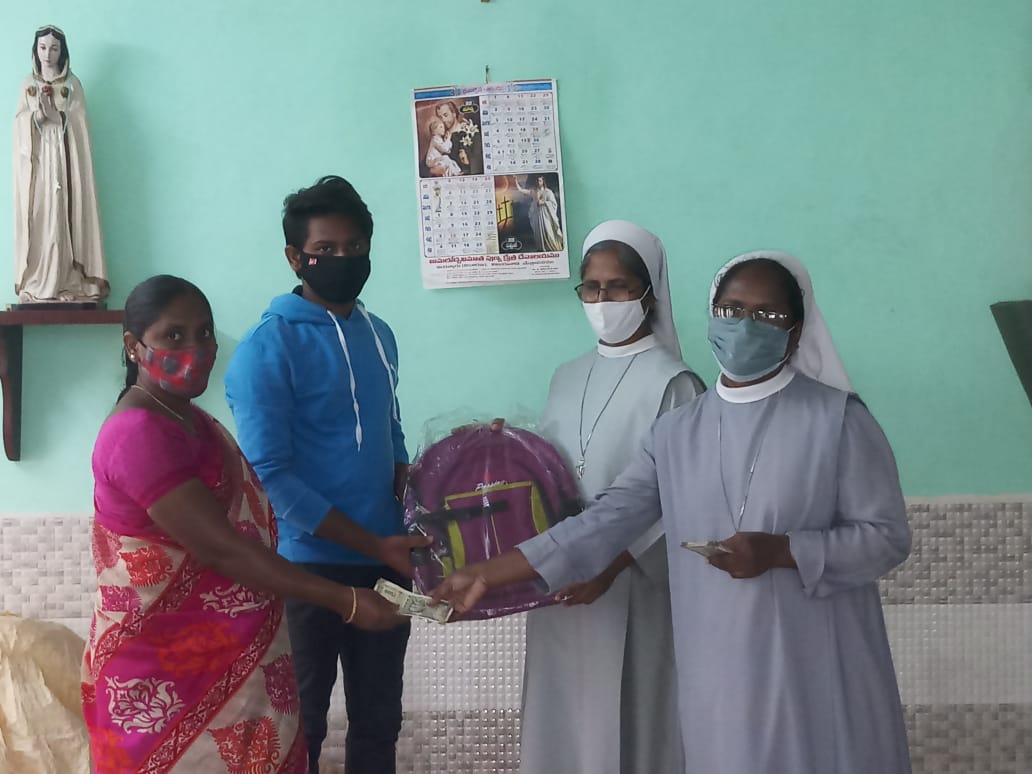
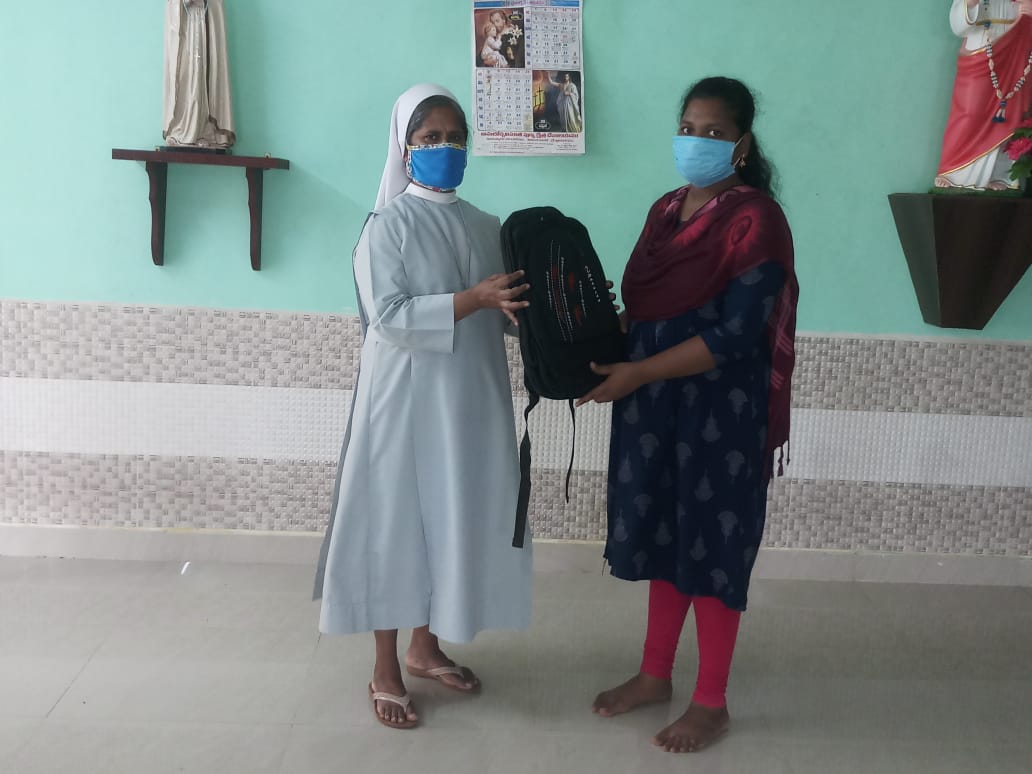
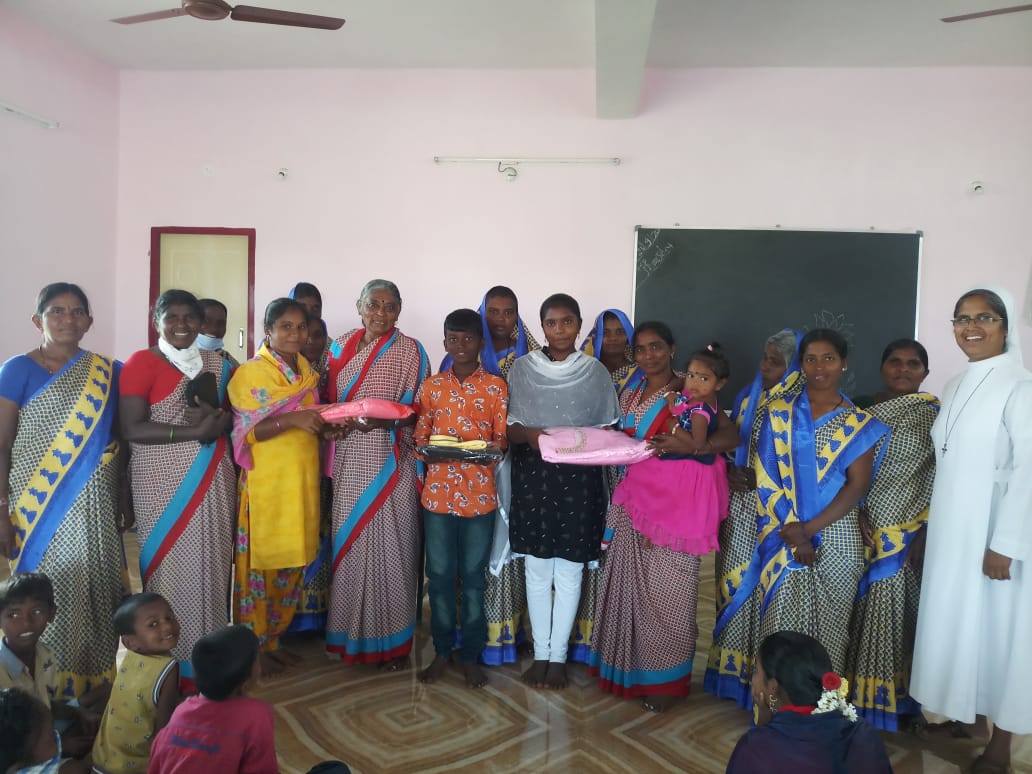
Assisi Social Welfare and Service (ASWAS) is an association founded by the Province "Holy Family" in India, the Congregation of the Franciscan Missionary Sisters of the Sacred Heart, with the aim of animating and supporting educational programs and different activities, the development of women, orphan children and the elderly abandoned, within the mission. For ten years, Sr. Sahaya Rani and Sr. Seshu Mary, are engaged in the association, in collaboration with many lay people and some sisters who participate in the different communities.
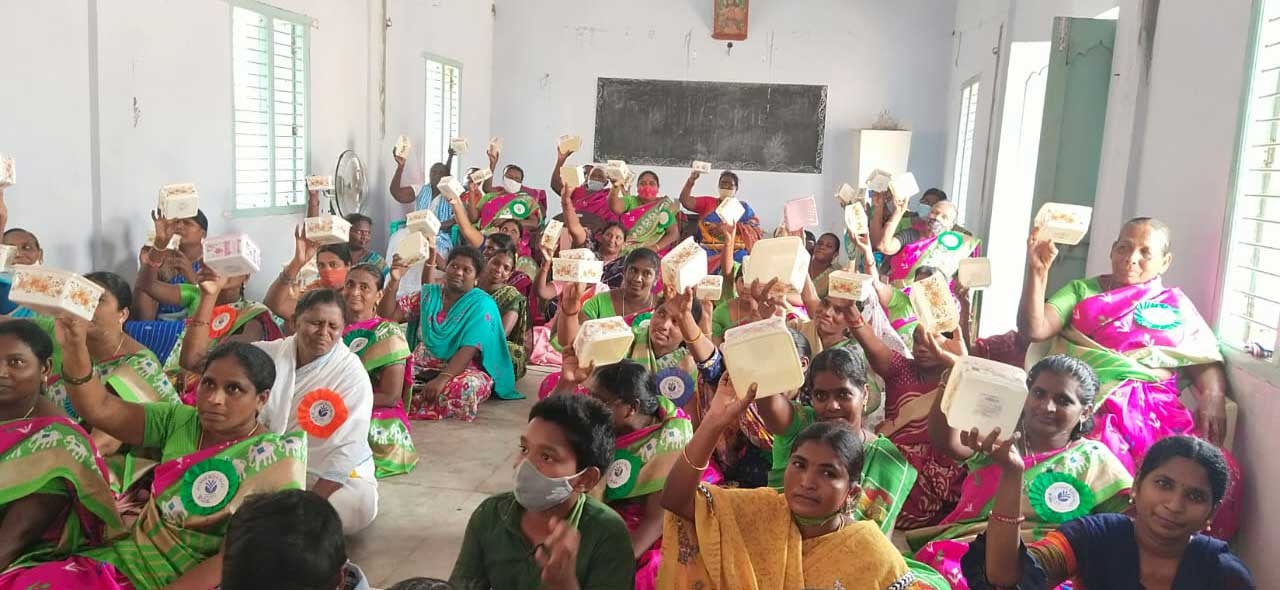
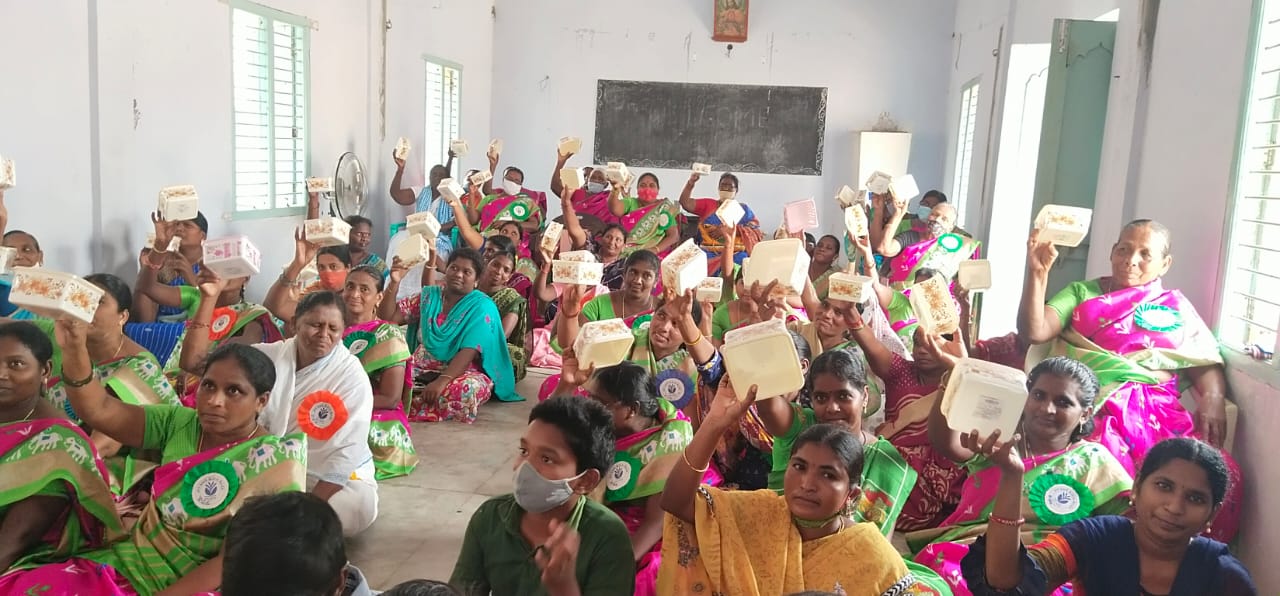
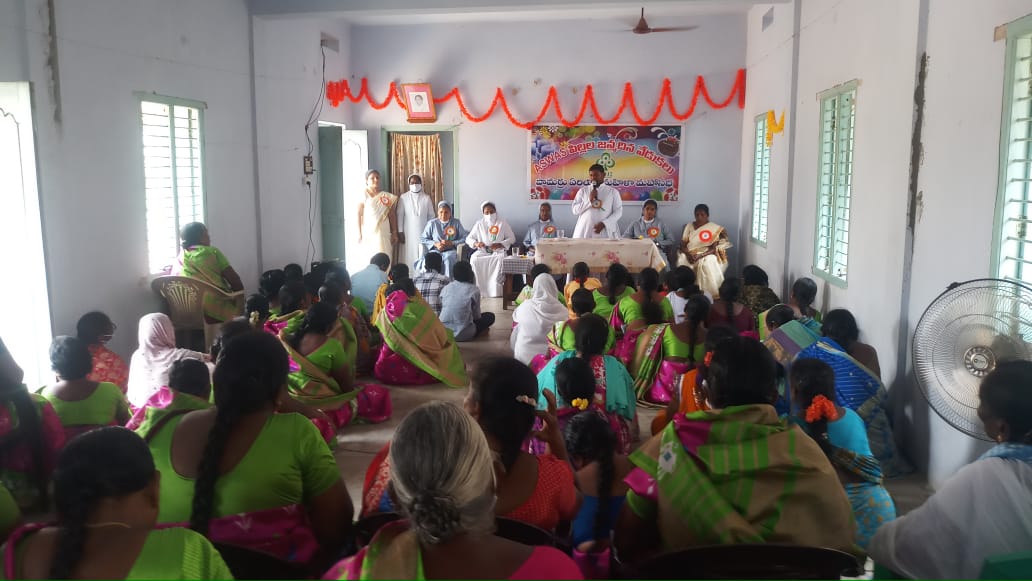
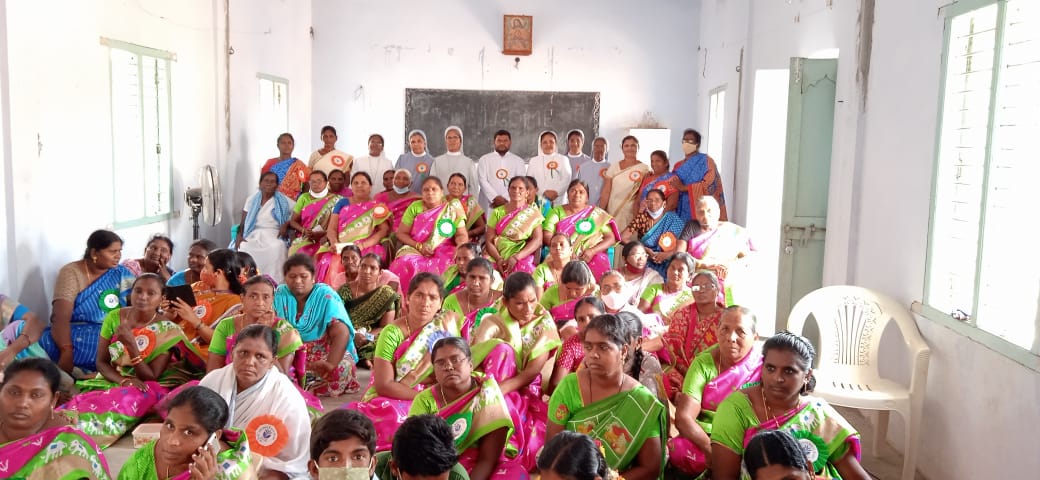
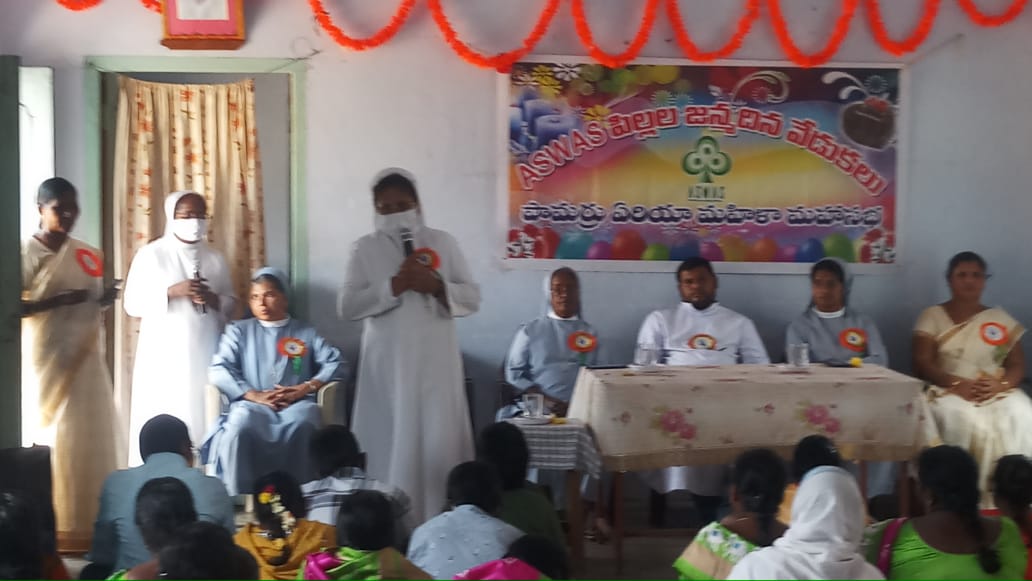
Once a year the ASWAS Association organizes the "Feast of Solidarity" that brings together the religious authorities, the group leaders, volunteers, the sisters and certainly our beneficiaries. This year the celebration was attended by: Sr. Suni Chacko our Vice Provincial, Sr. Mercy Joseph Kottaramkunnel, superior of the community "Little Flower" Pamarru; and Rev. Fr. Thambi, the pastor of the Catholic Church of Vuyyuru. The sisters who participated in the event were responsible for the animation, giving joy to all!
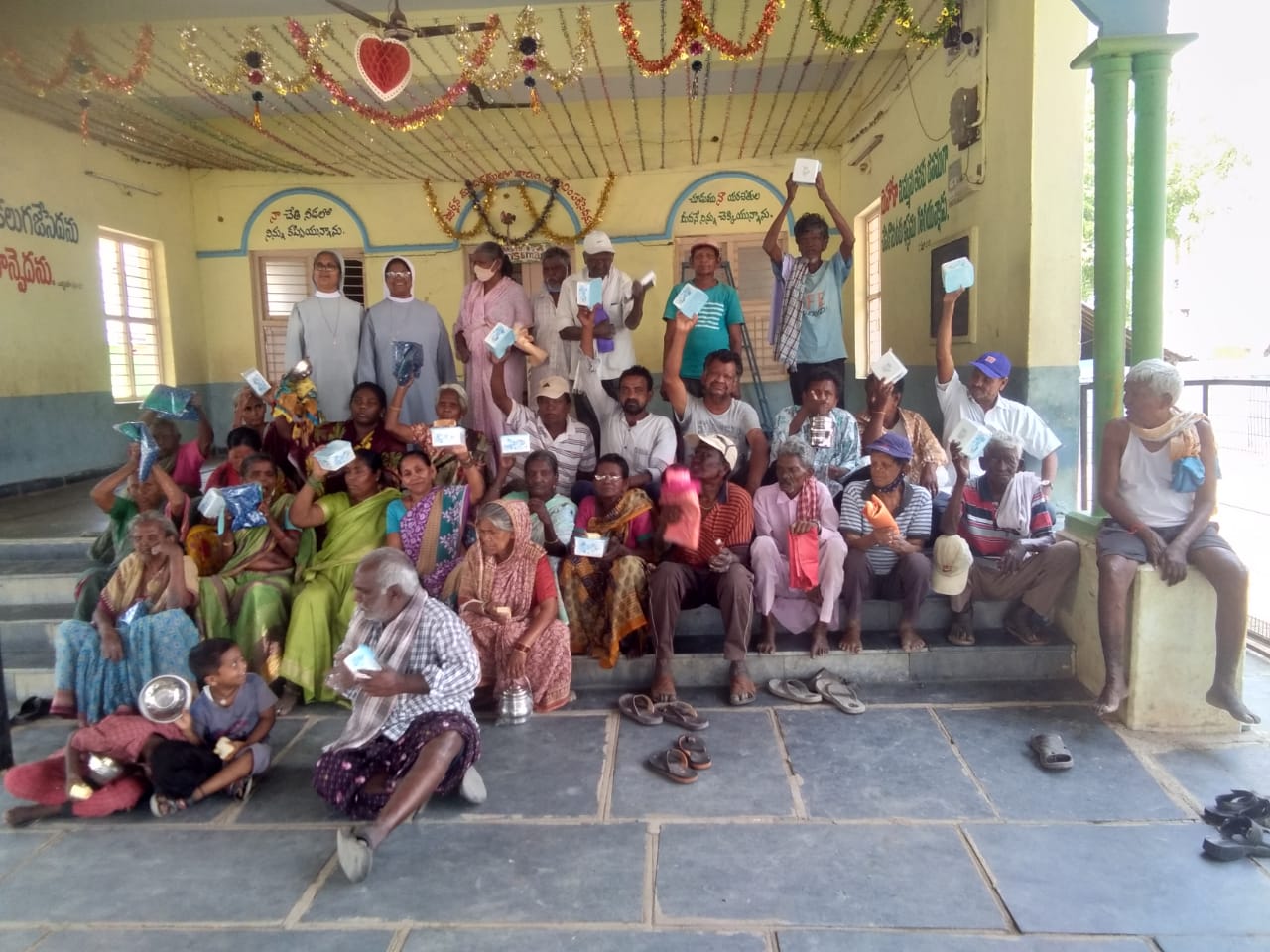
On the occasion of this feast, March 28, the birthdays of orphaned children were celebrated because no one knows exactly their date of birth; there was also recognition for all children who have been very committed to studying. In addition, the presence of the elderly, the poor and above all the perseverance and fortitude of women who, despite the difficulties, continue to work to create a better life for themselves, for their children and for others, has been valued.
Solidarity is not a feeling of vague compassion or superficial concern for the misfortunes of people, both near and far, on the contrary, it is a firm and persevering determination to commit oneself to the common good, that is, for the good of all and every person, because we are all children of God and we are responsible for each other.
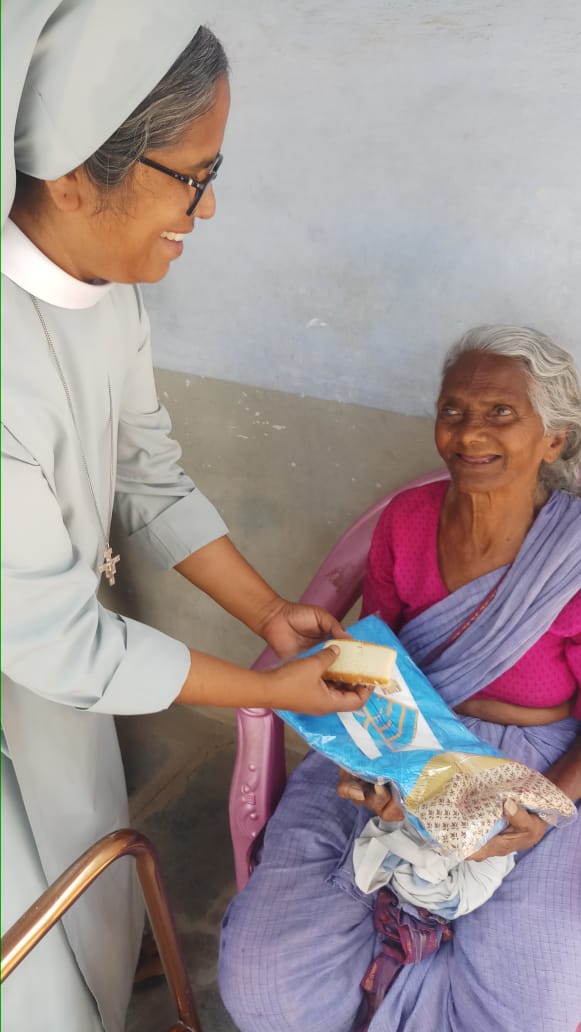
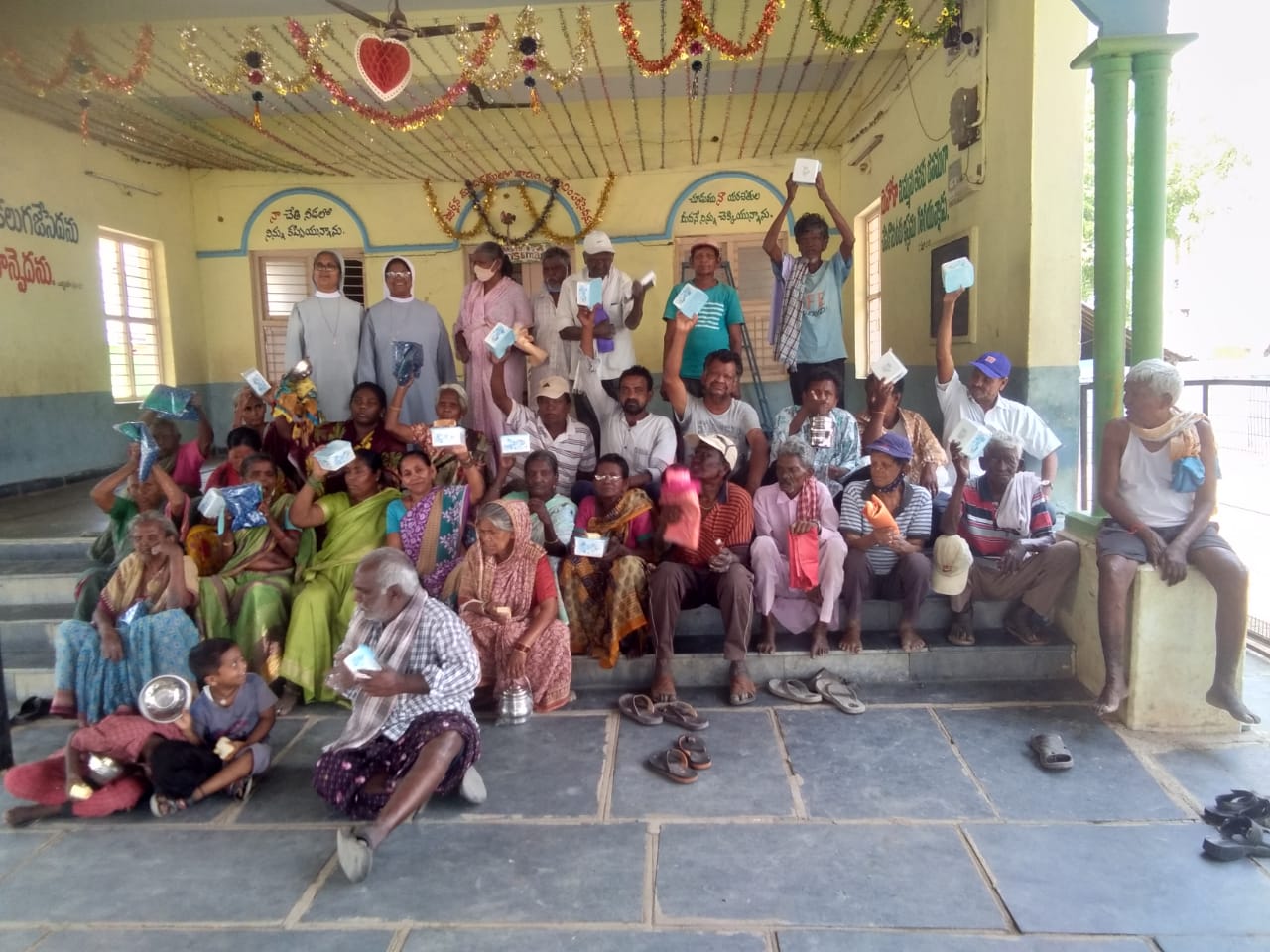
Our lives become more and more interdependent because when our neighbour is hurt we too are affected. Through the various planned activities, we offer assistance to our brothers and sisters, who are faced with so many difficult circumstances; to those who are deprived of many possibilities because of social and economic barriers. We have made available all our efforts to alleviate their suffering in this world and restore a smile to their faces.
The sisters, pierced by the heart of Christ Crucified, draw strength to serve their brothers and sisters, remaining faithful to the charism received and being ready to respond to the needs of the Church: "... we are called to take care of the fragility of people... means taking charge of the present in its most marginal and distressing situation and being able to anoint it with dignity» ... «Everything must be done to protect the condition and dignity of the human person». (Cf. Encyclical Letter "Fratelli tutti" of the Holy Father Francis)
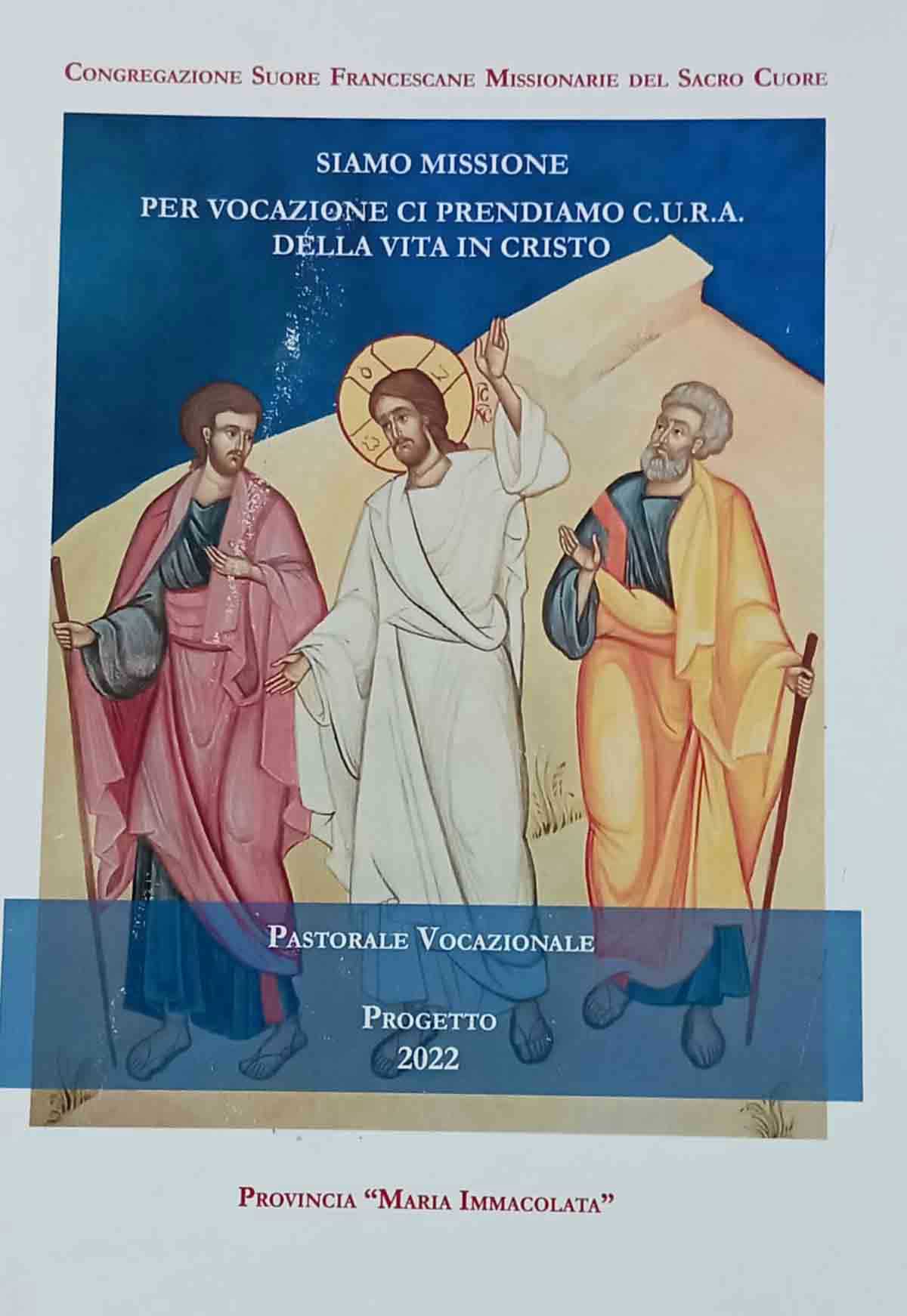
In the Guidelines of the recent Provincial Chapter, precisely in the area dedicated to "Formative and Apostolic Choices" there is a strong incentive to acquire our missionary identity better, according to the charism and to make more visible our "being mission" committing ourselves with greater openness to youth-vocational ministry.
The Provincial Council has drawn up a guide document with the fundamental elements proper to this apostolic activity in order to support a unitary formative journey of communion and mission.
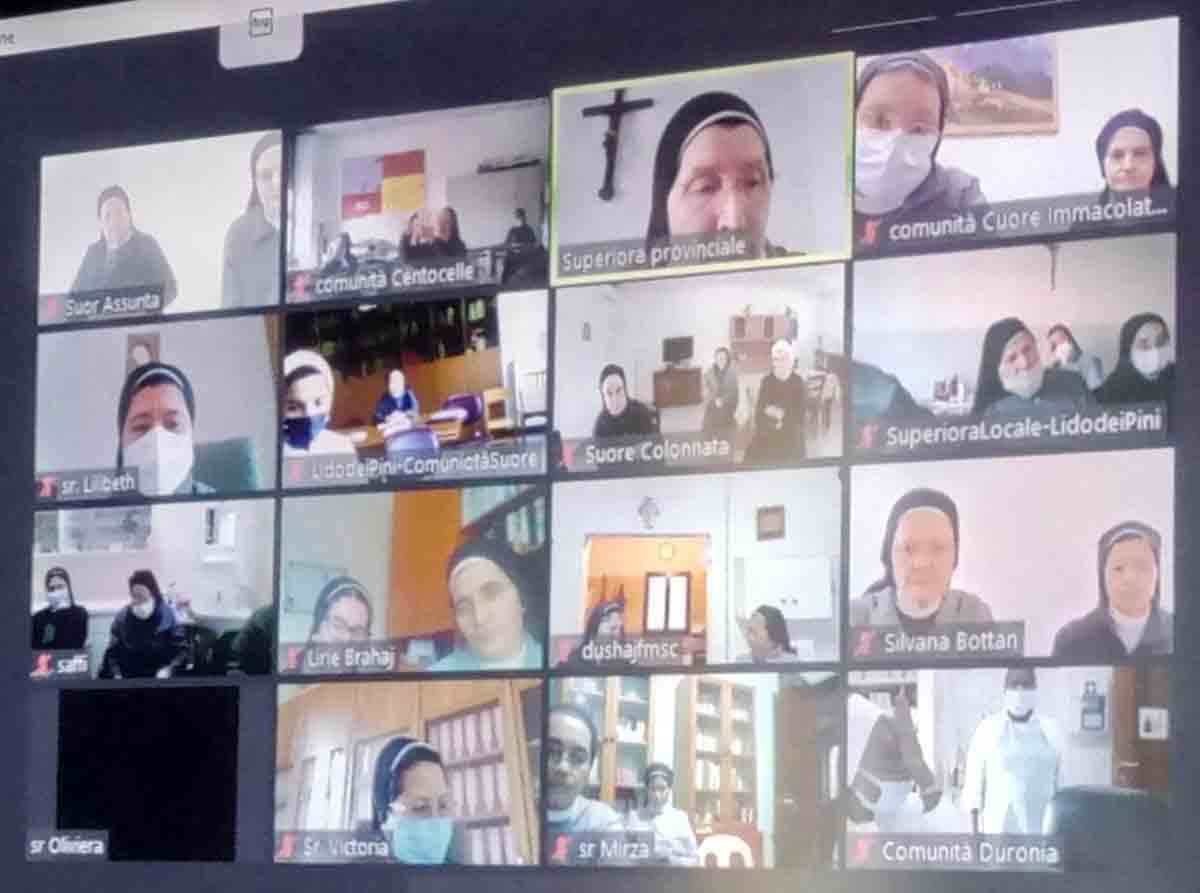
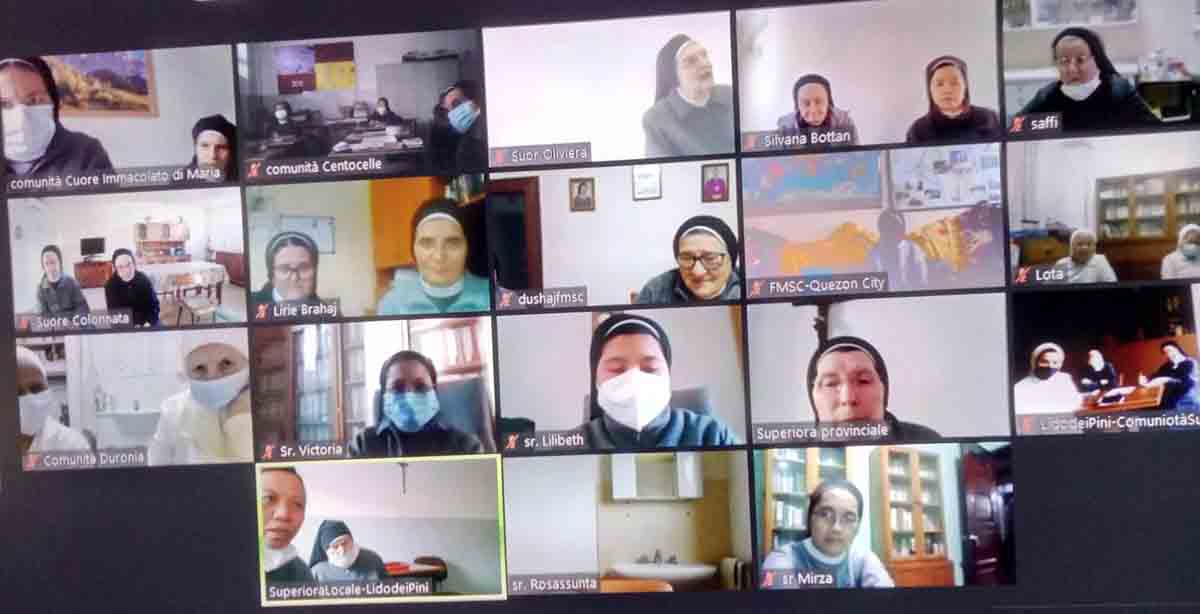
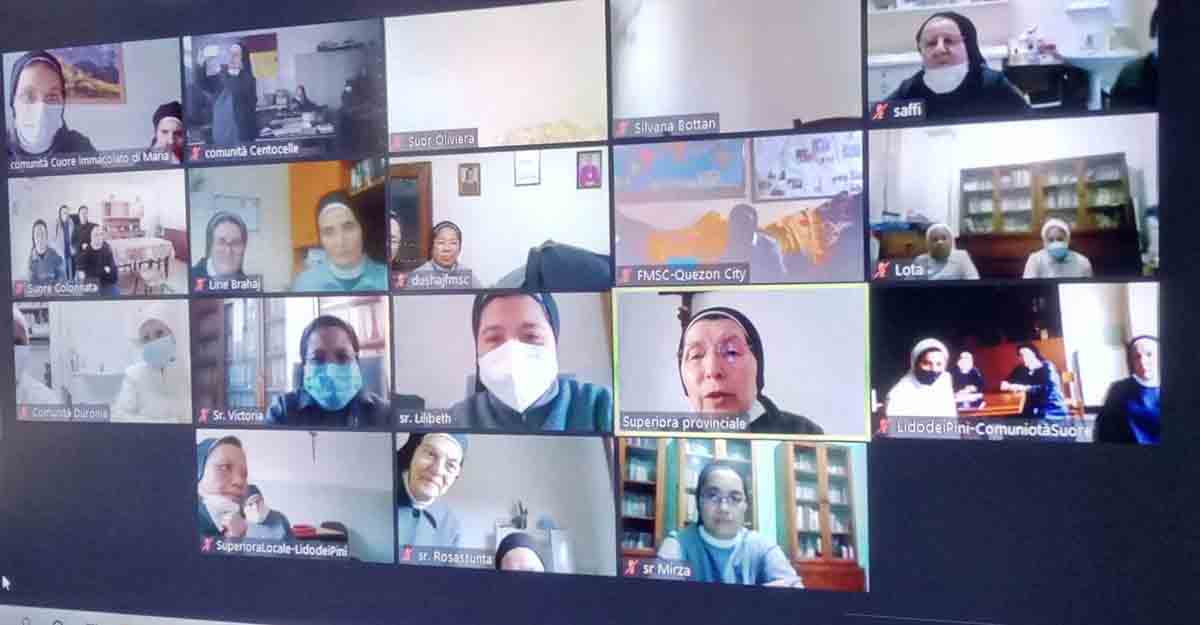
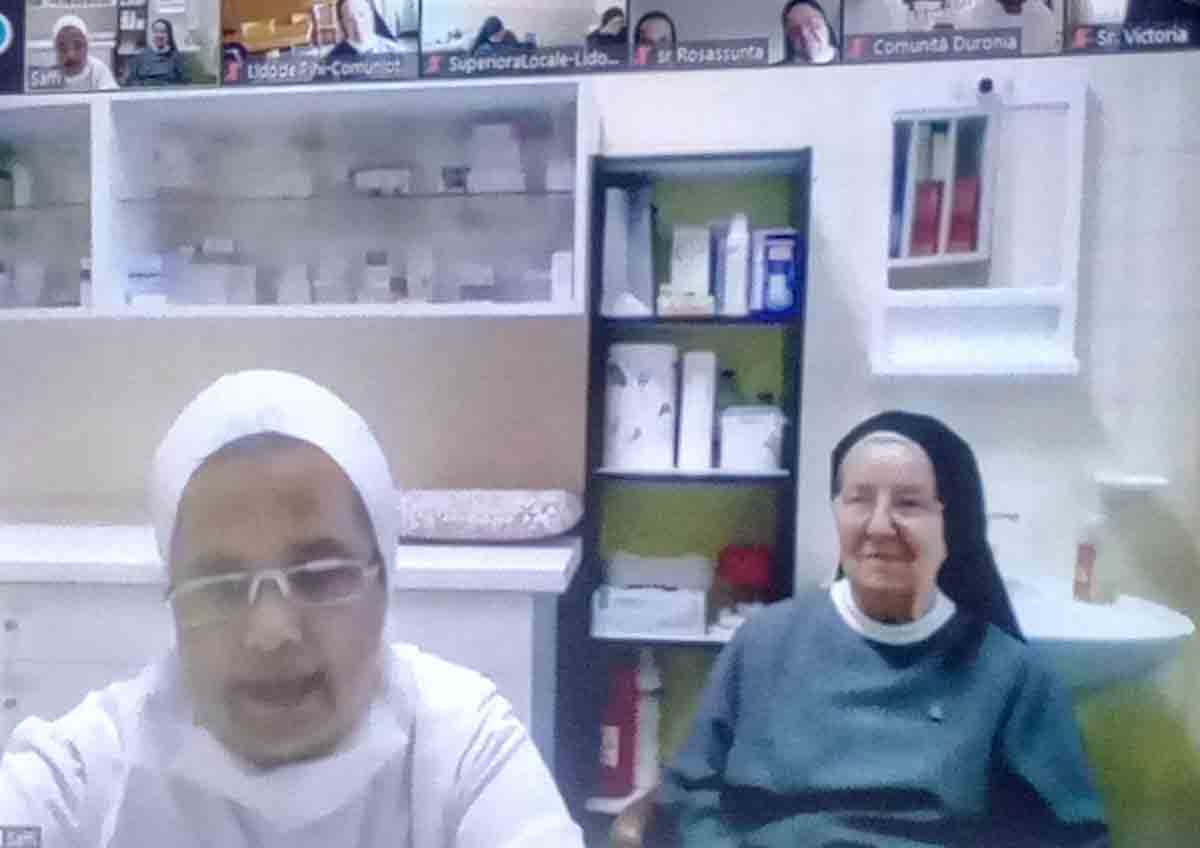
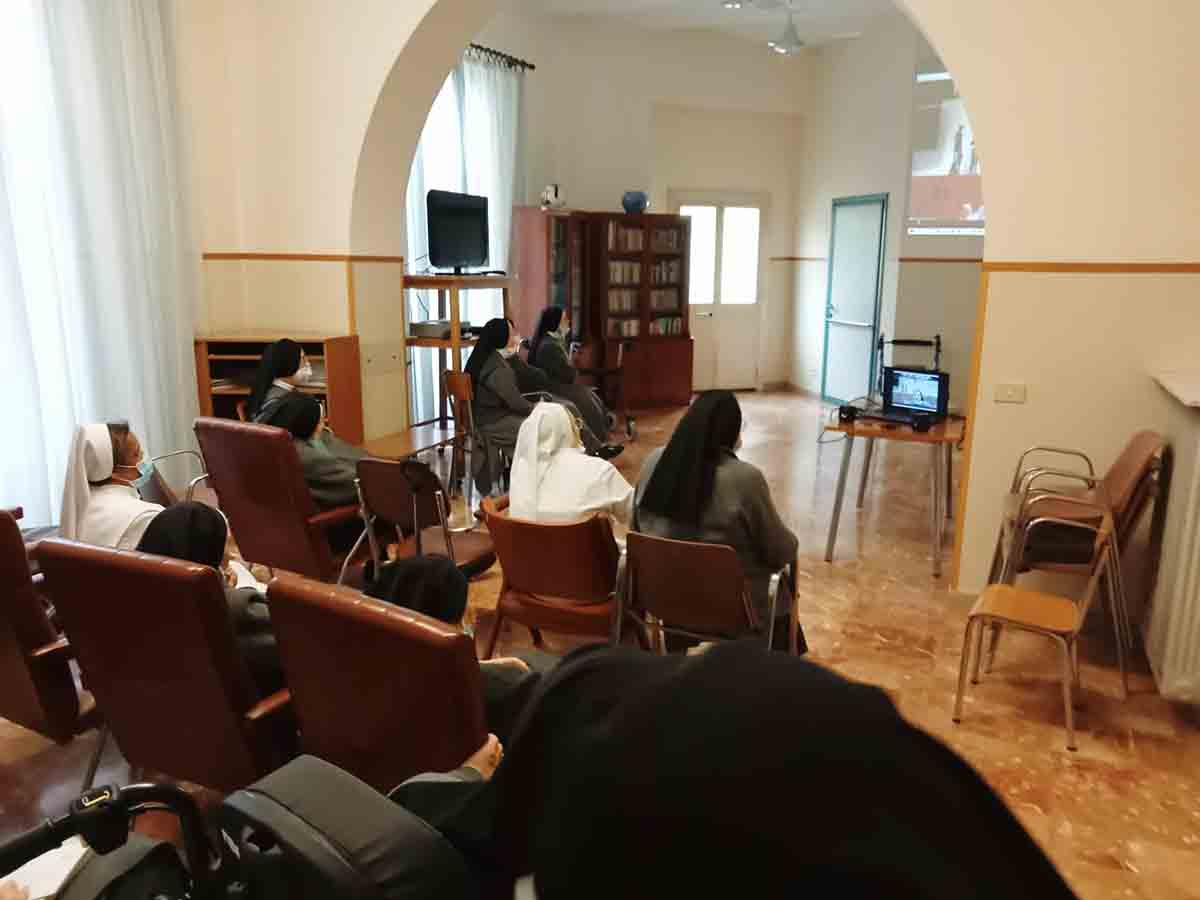
It was necessary to present it to the superiors of all the communities and to the representatives for the pastoral care of vocations. As the Covid emergency has not yet been overcome, it was imperative to opt for online meetings, then important results because they favoured the participation of all the sisters who wanted it and, with pleasure and surprise, we noted an almost total active participation, lively and meaningful.
The first of a series of five meetings took place on 12 February and the last ended on 18 June.
In her letter of convocation of the last meeting the provincial superior expressed herself in this way "I await many of you will participate! For me it is always a reason for growth in hope, to meet and grow in the search for good and beauty to become more and more women consecrated to the Lord in the fraternity and with the fraternity ".
Each meeting was seriously prepared to present the guiding document that contains the fundamental elements that characterize the apostolic activity of the pastoral care of vocations.
Thanks to the technology and the time well studied in the respect of the time zones, all the sisters have had the opportunity to participate, even the most distant geographically, Philippines and Albania, and it has created a beautiful fraternal atmosphere that has pervaded the conversations and the sharing.
After each meeting, the provincial superior sent to all a trace of questions pertinent to the articles discussed with the exhortation to make an introspective and spiritual personal journey with the value of verification that accompanied us in a community sharing where it has been desired and made possible.
The online sharing with all the connected sisters has enriched us with reflections, with openness of mind and heart to the Lord who has accompanied us throughout the journey.
And now we must remain open to the Spirit to welcome with novelty what He wants us to understand in order to assume ever better, today, our being mission and take care of life lived as a vocation.
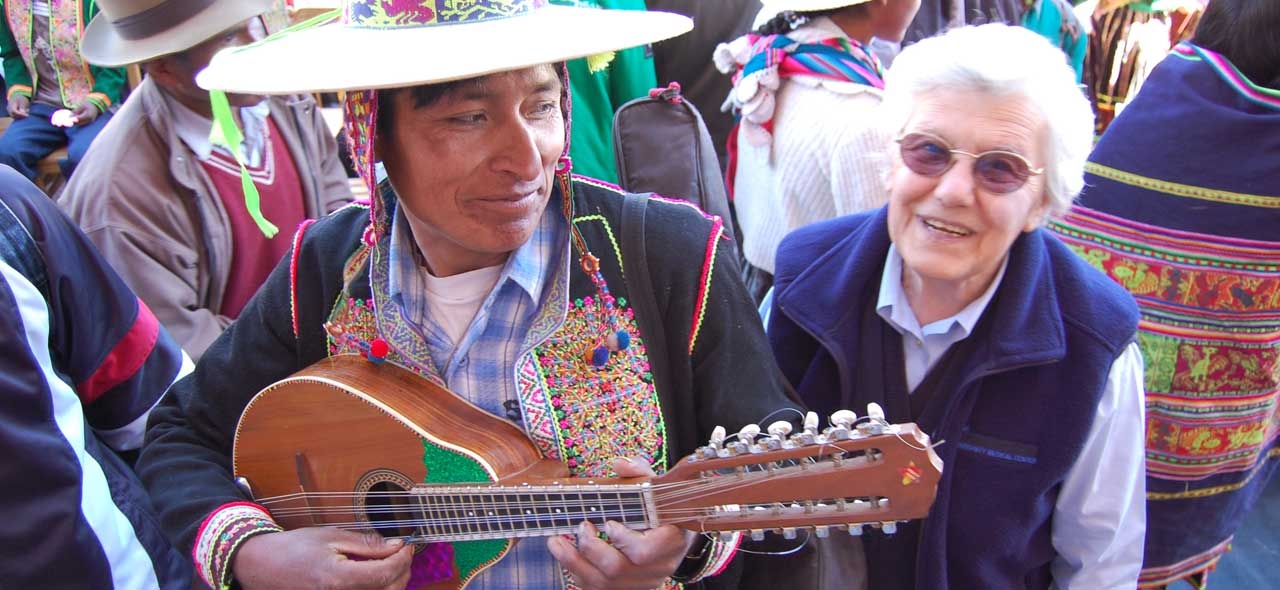
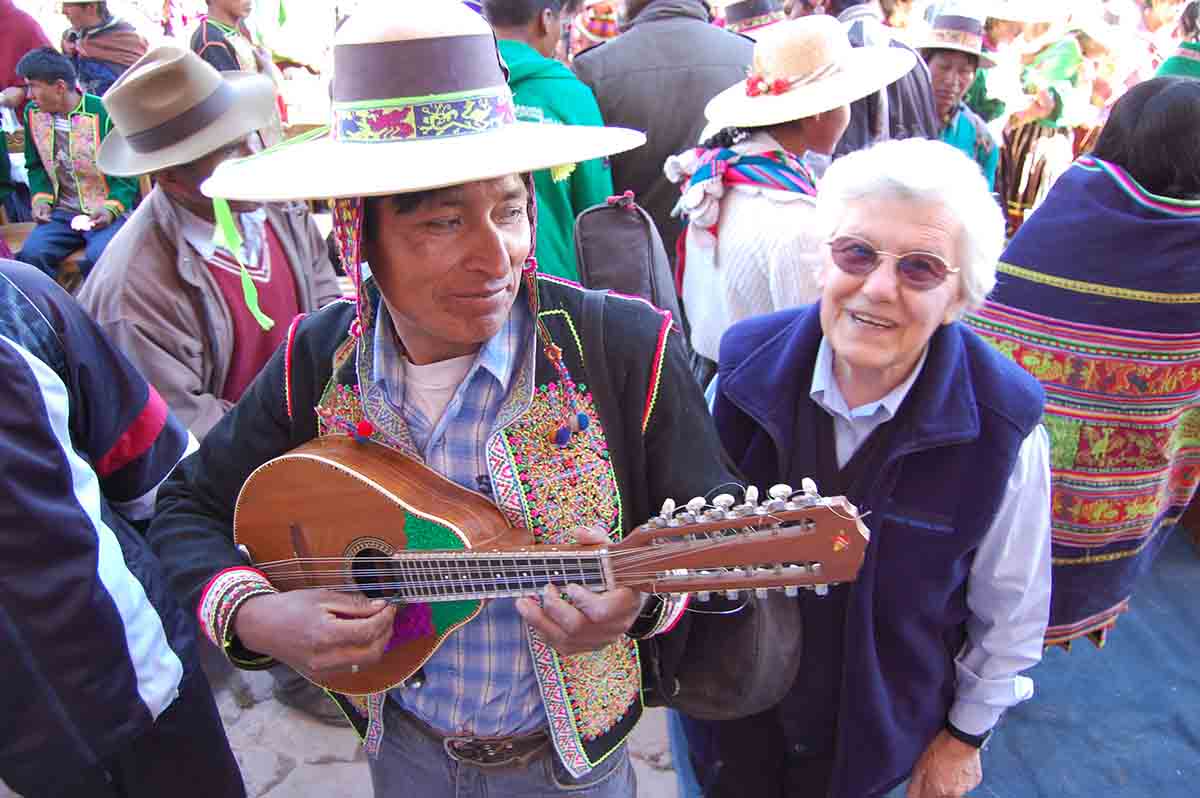
Our Latin American Province "San Antonio", with provincial house in Chile, radiates flashes of light and mercy of the Father with the presence of Miss GIULIA DURIGON TONON, lay volunteer in these lands, in Chile and in Bolivia.
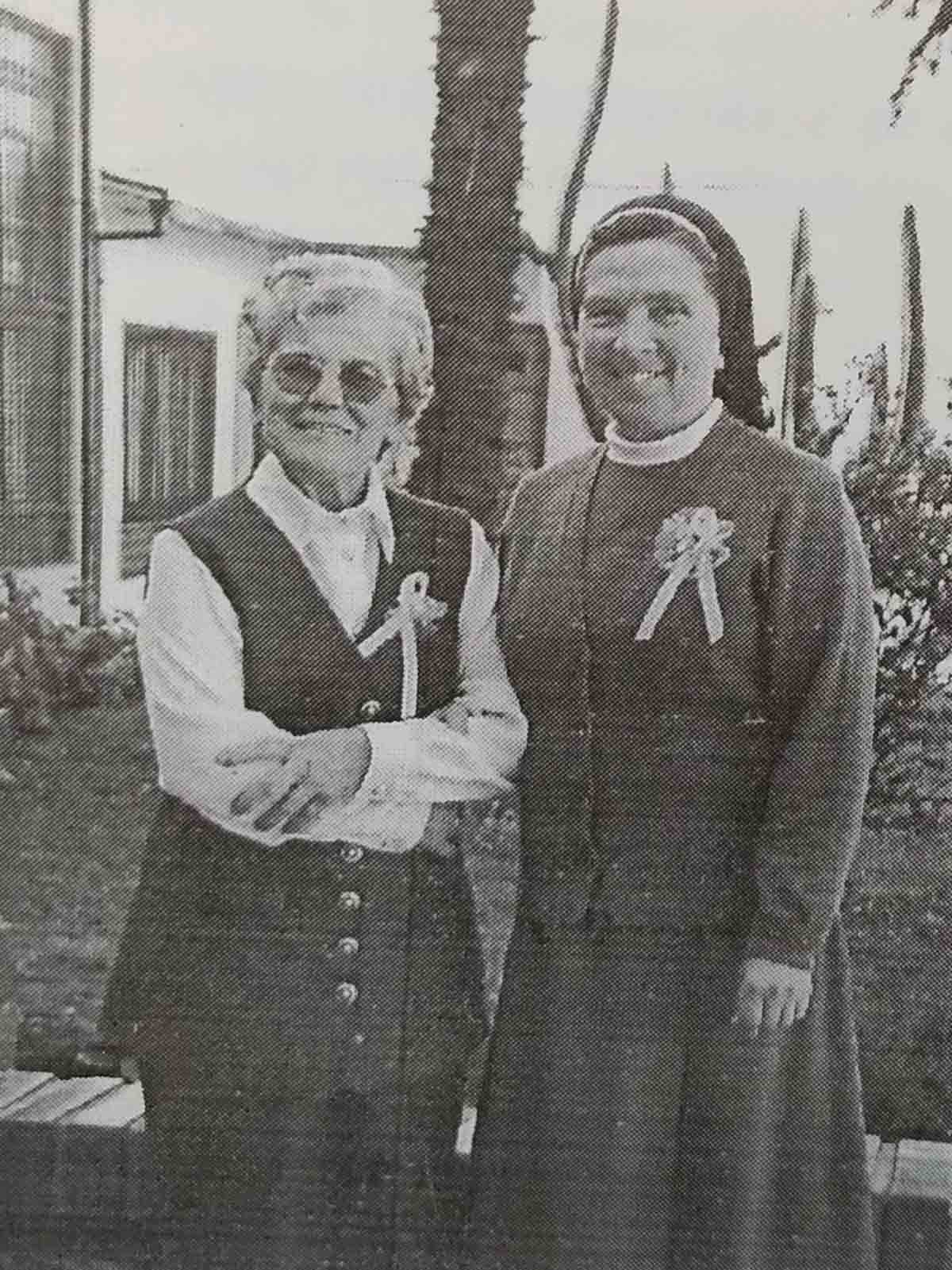
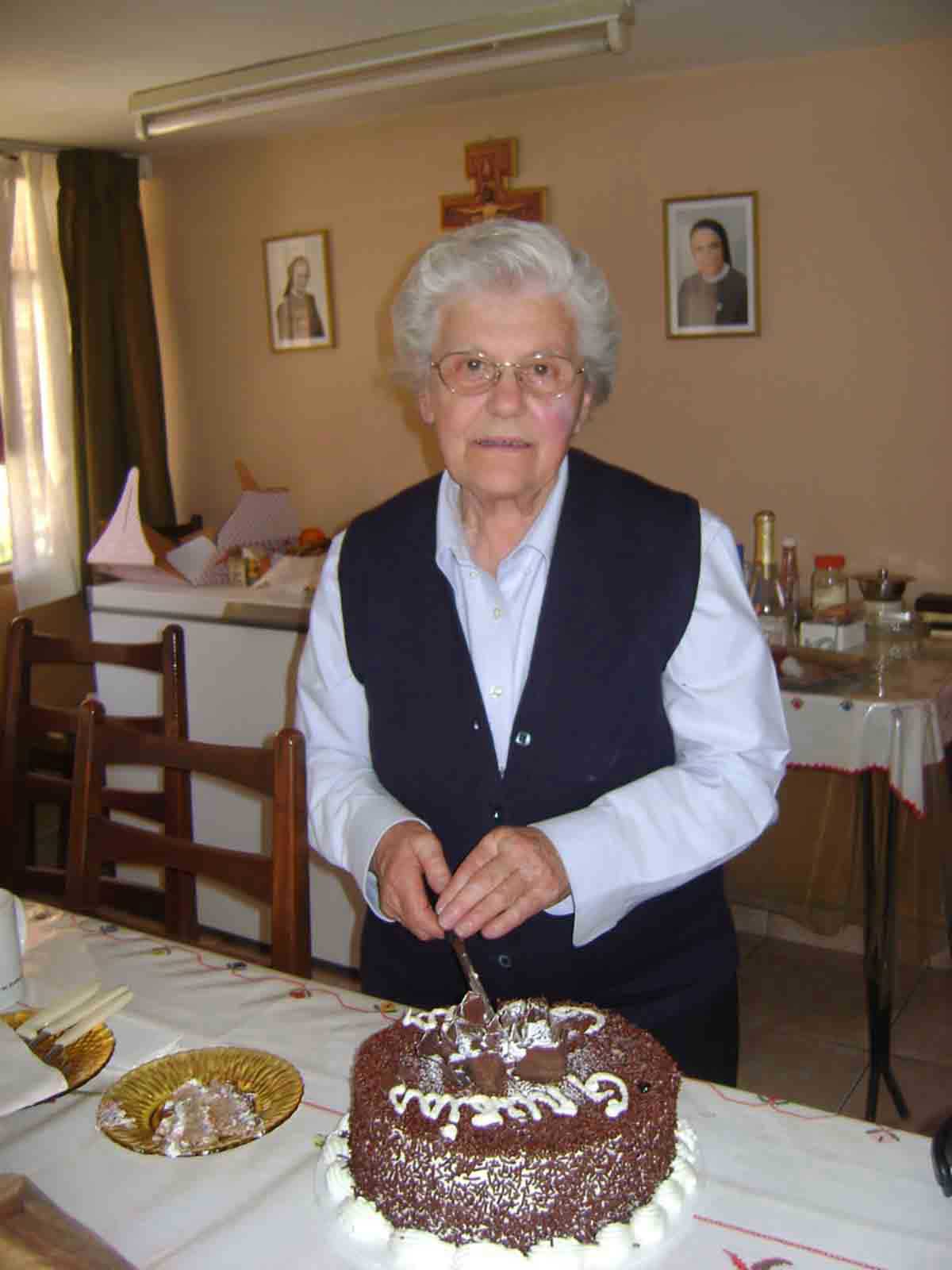
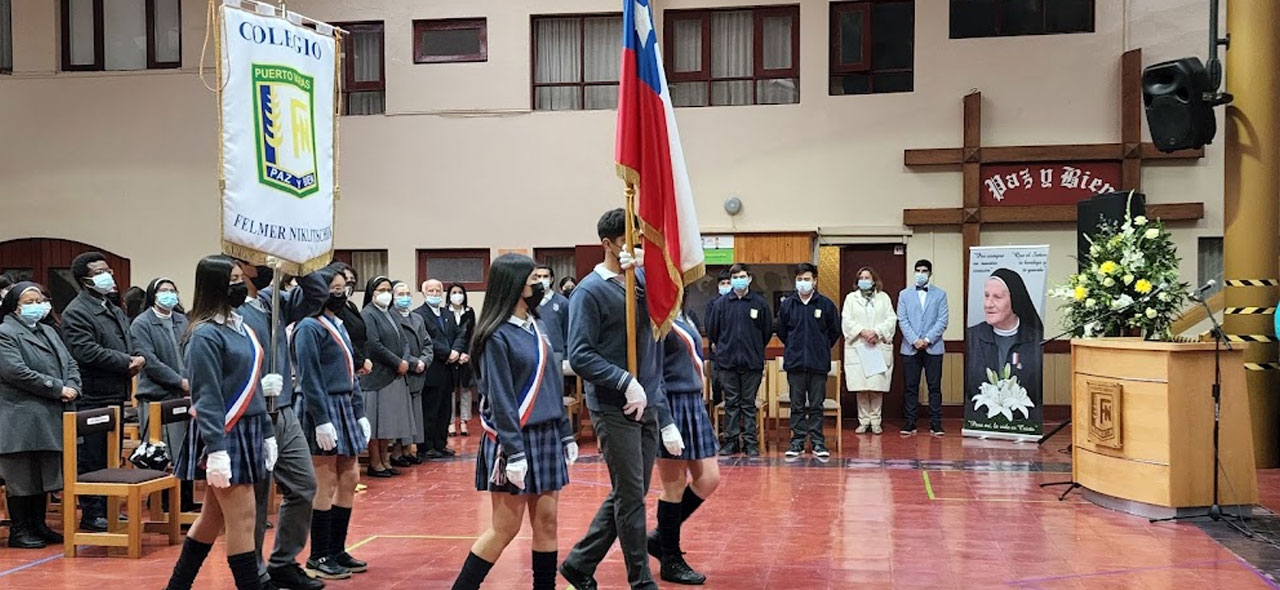
These short words are meant to be a POSTHUMOUS HOMAGE to GIULIA DURIGON, who passed through our lands doing good, without ostentatious in the silent style of the Blessed Virgin Mary and Saint Joseph. They are also an exhortation to the Christian of today, lay or consecrated, to reflect on the meaning of life and, finally, to thank the Durigon Tonon family of Treviso, Italy, for having shared with us the witness of Faith, Hope and Charity, of GIULIA.
According to the doctrine of Saint John Paul II, to be a Christian volunteer requires profound motivations; a capacity for dedication and fidelity in daily life; adequate preparation and a patient journey of formation and perseverance. The Christian lives volunteering as a free gift to serve Christ in the brothers and sisters: it is a matter of the gratuitousness of charity. In this way the Christian volunteer gives meaning to life, rediscovers the values of the family, of the community, of living together and promotes the development of the people to whom he/she is sent. We need an open, supportive, discreet, generous lifestyle, respectful of people. It is an evangelical motivation cultivated in prayer, in simplicity and meekness, with sobriety and a spirit of sacrifice: this was Giulia!
GIULIA, arrives in Chile, in Rancagua in the territorial organization of the so-called VI Region, after having served in one of the Missions of the Congregation in Africa, a house of children, girls and adolescents in need of everything, which they received from the sisters, from the staff and from Giulia, the help needed!
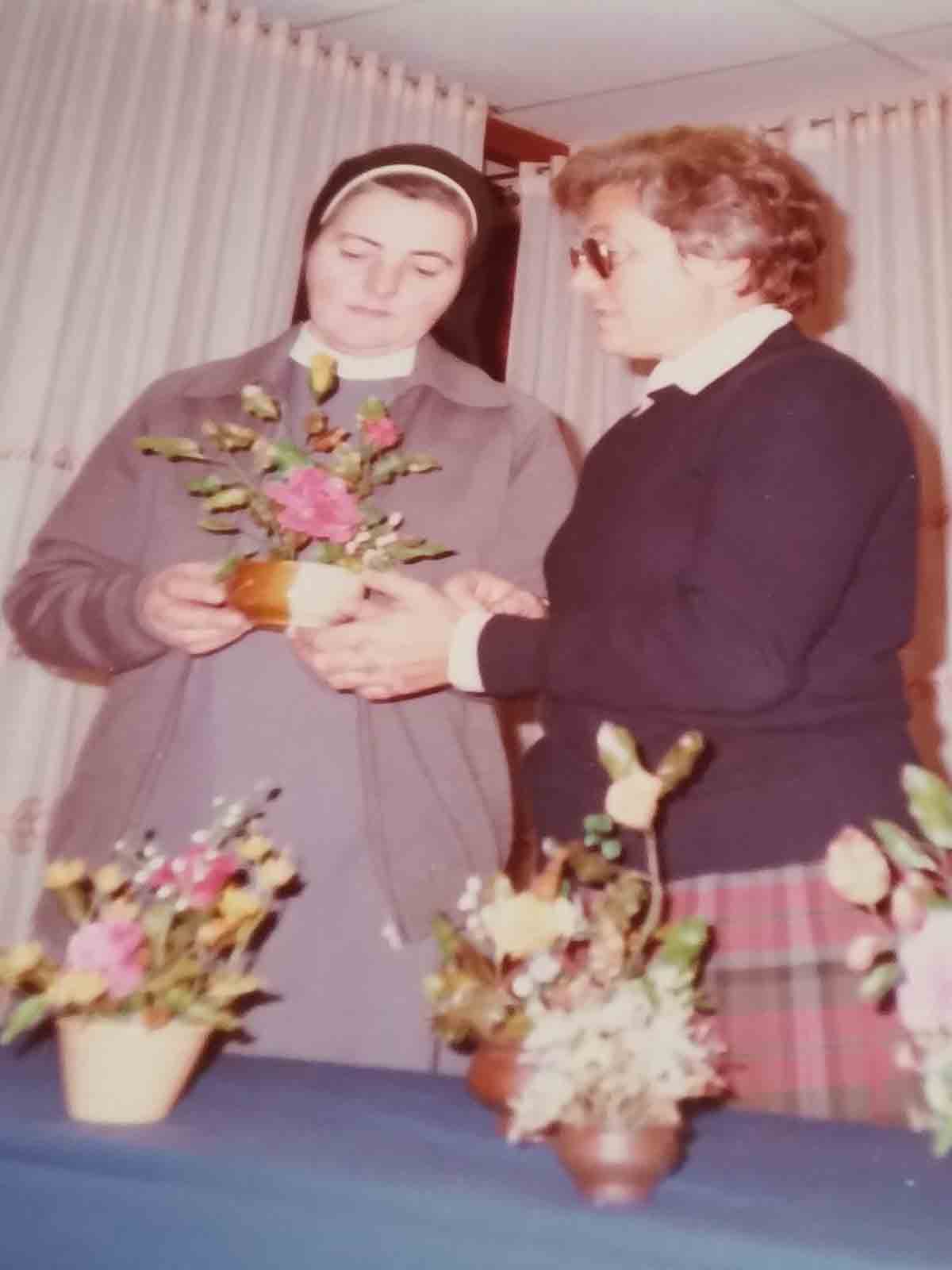
Giulia was always joyful and happy, prudent, respectful, caring, affectionate, she shared with them the courtyard, the recreation, the pool, the theatre, the songs, the dances, the prayer, the Holy Mass, study time, homework supervision, everything. In particular, she cared about the health of girls: this was her area, in which she prepared herself with diligence, professionalism and ability.
The city of Rancagua is a narrow strip of land between two mountain ranges, between the Andes and the coast. The change from the warm climate of Africa, to the harsh cold of Rancagua, produced a deterioration in her health. Doctors recommend transfer to a warm and temperate climate. For this reason she left the dear Hogar "Santa Rosa" and other poor and needy brothers and sisters receive her: those of Bolivia.
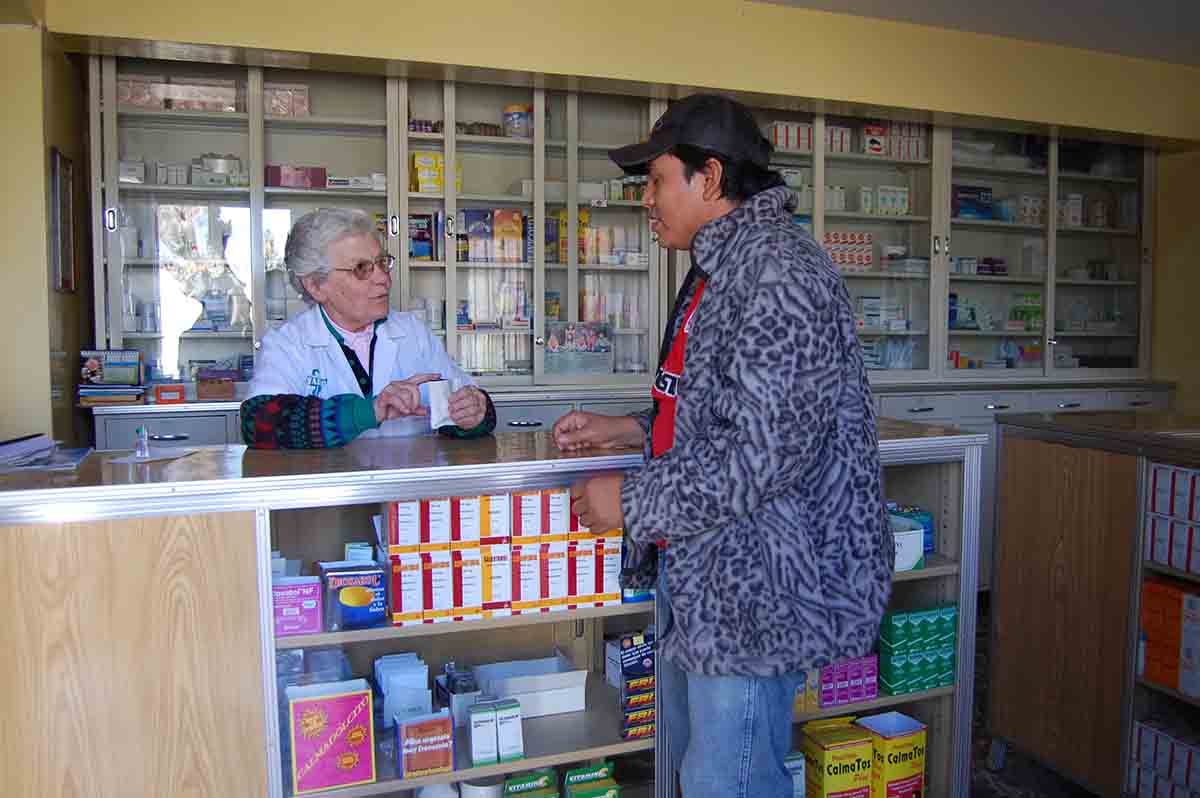
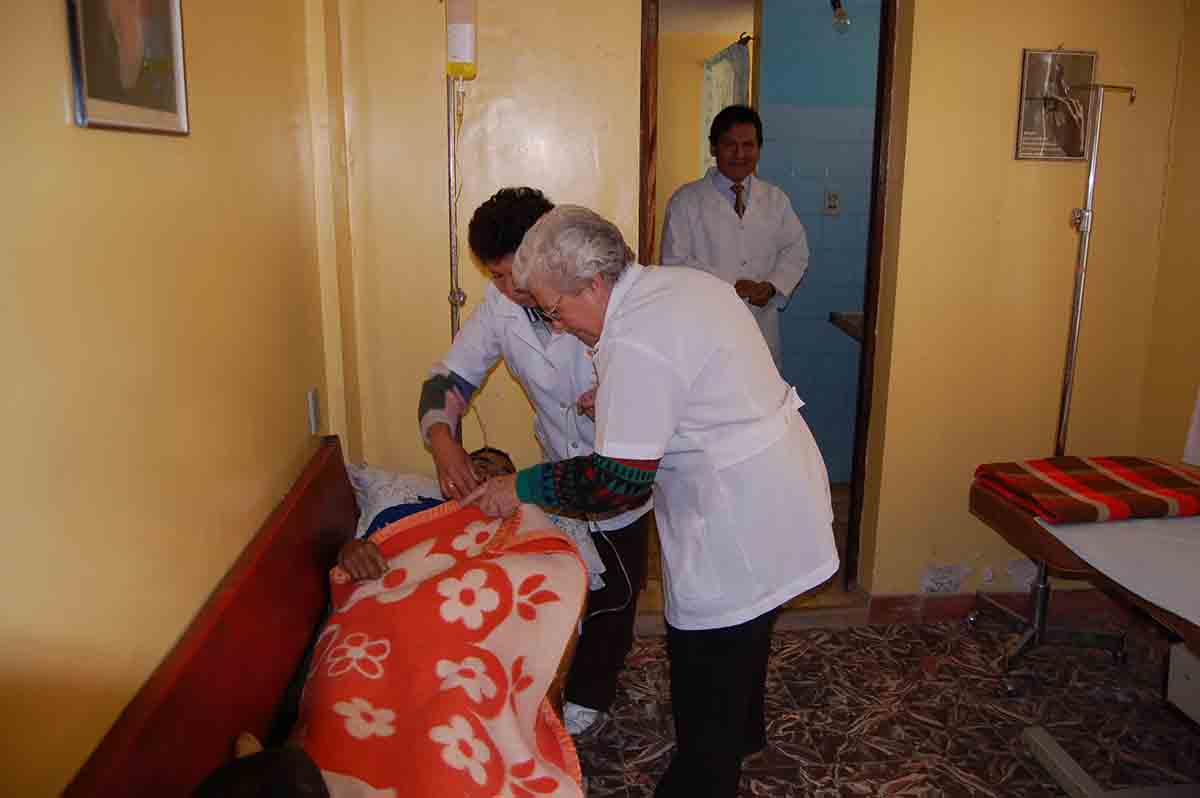
Giulia was received with much love in the mission of Bolivia; she worked in the nursing field, in the dispensary "San Francesco" in Cochabamba. Her love for the poor and abandoned also led her to venture into the mountains of the Andes, treating the sick from village to village. In the area of the "Barrio don Bosco" she was known by all because, with her kindness, her generosity and her smile, she won the hearts not only of her sick people, but of all those who approached her: "Hermanita Julia" so they called her with so much love and so she remained engraved in their hearts.
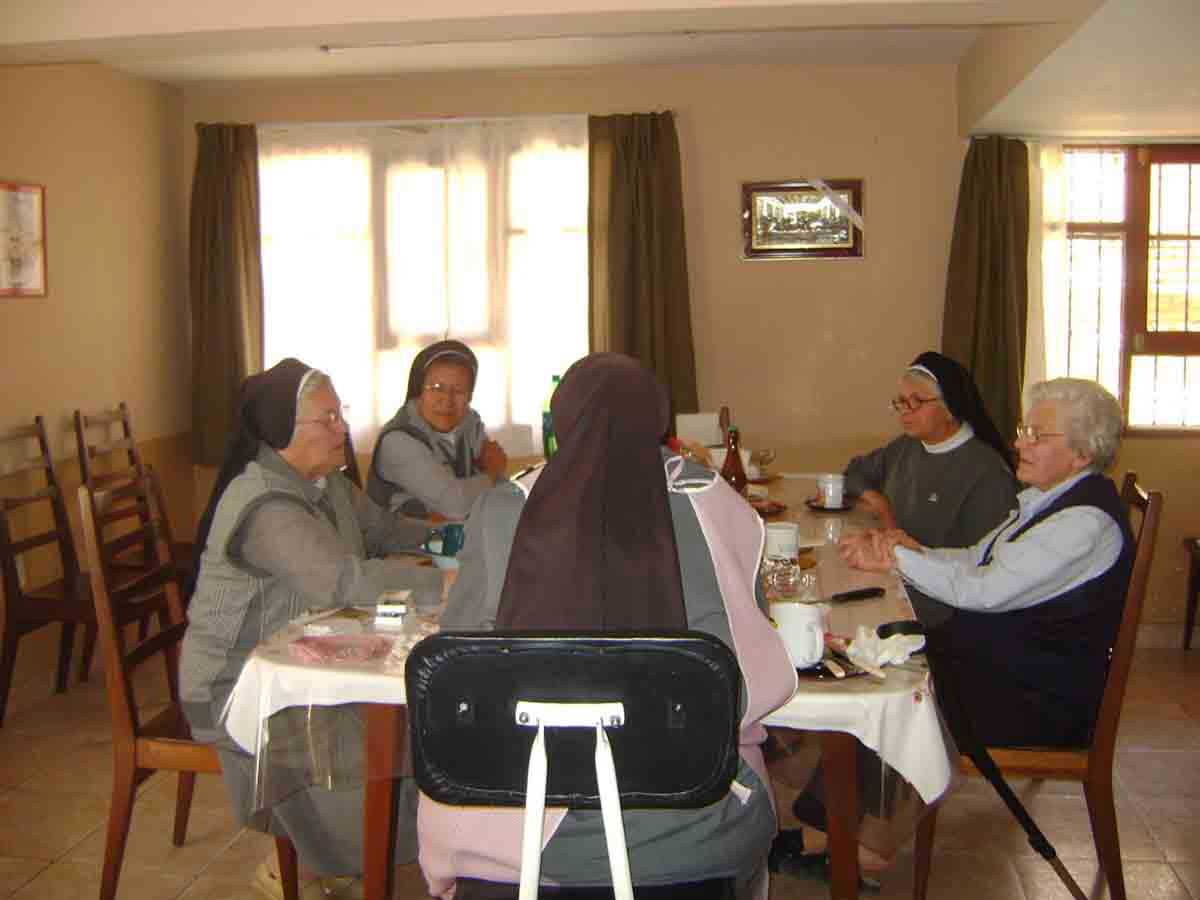
With the women religious, she shared the life of prayer, the fraternal life, being witness, example, light, with her respectful and prudent company, patient and humble.
Presenting herself to the Lord on 18 May 2022, her baggage is full of the fruits sown in these distant lands, they have opened to her the doors of heaven.
In our times, in which the sense of the common good and fraternity is weakened, and life revolves around itself in an exacerbated narcissism, enclosed in the limited horizons of one’s own self, we pay homage to you, Giulia, because your purity of motivation has made you transparent; the breath of your hope, constant; and the humility of your charity, credible.
May God be blessed, for your great charity, patience and donation!
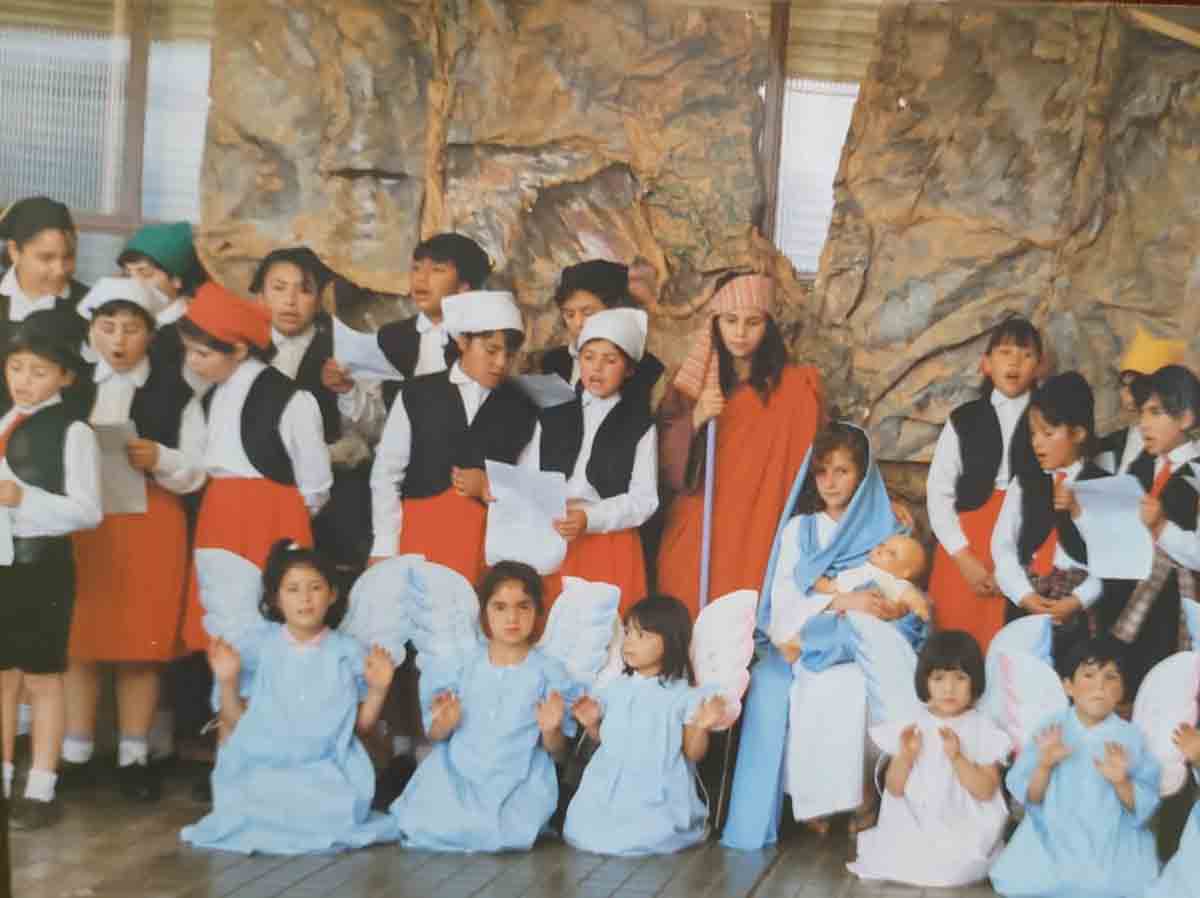
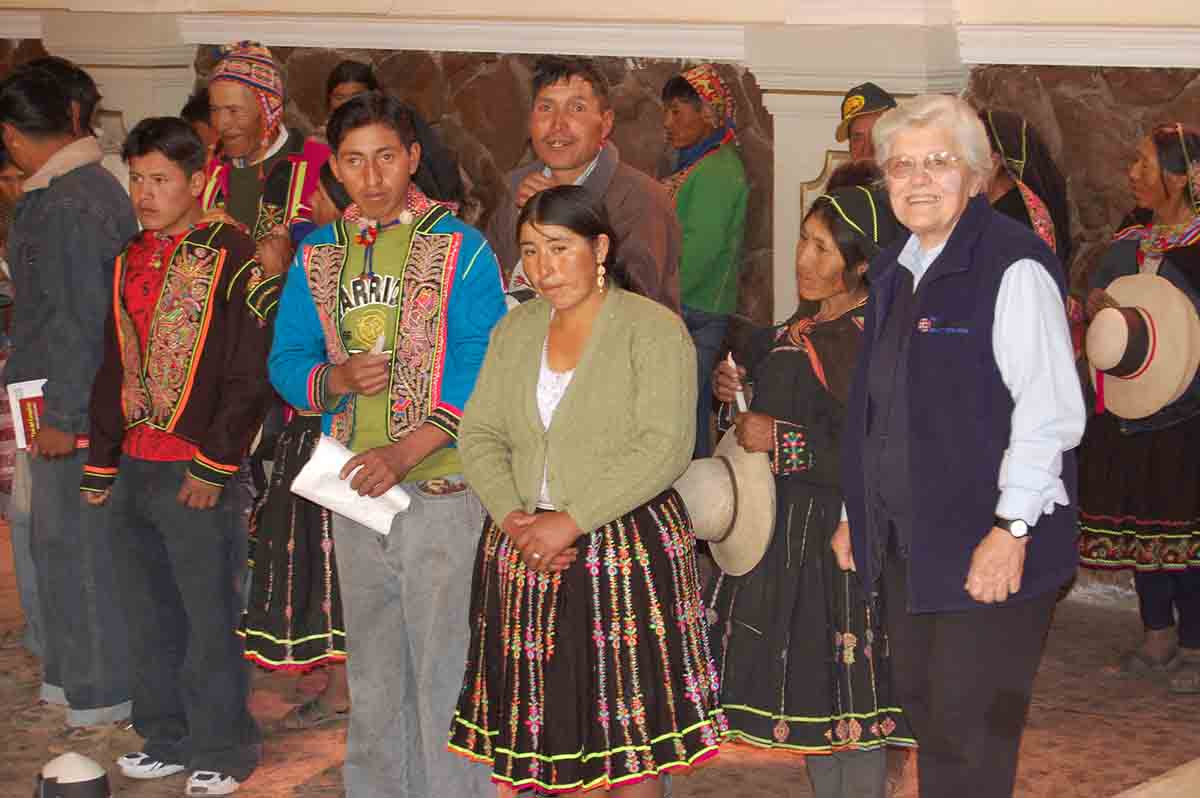
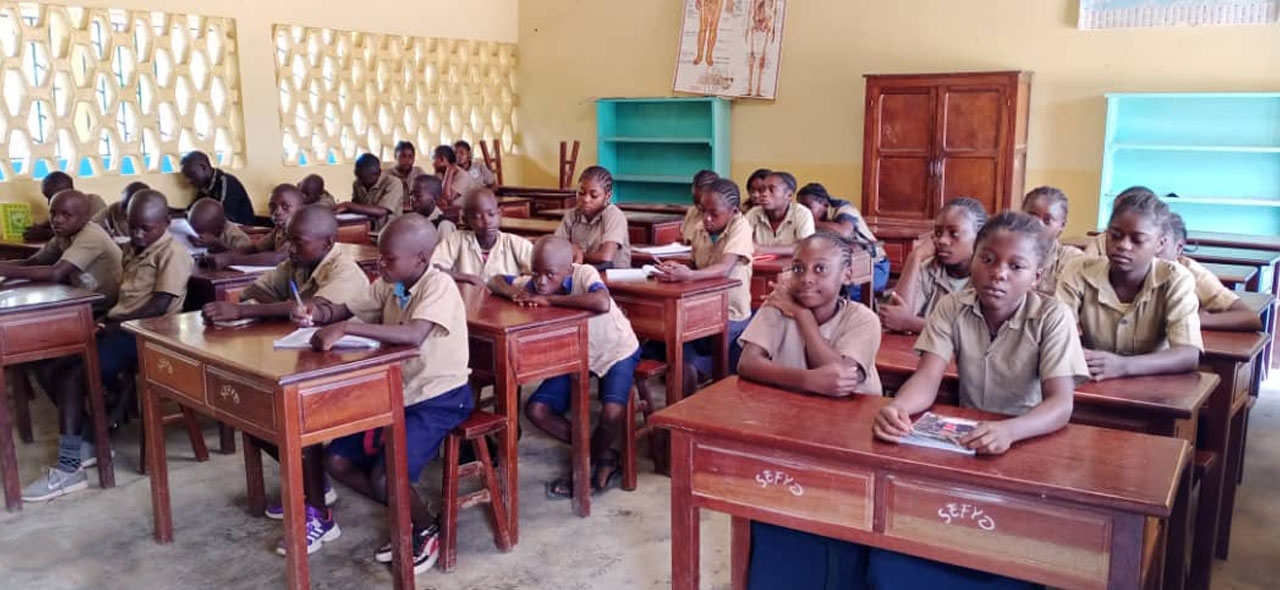
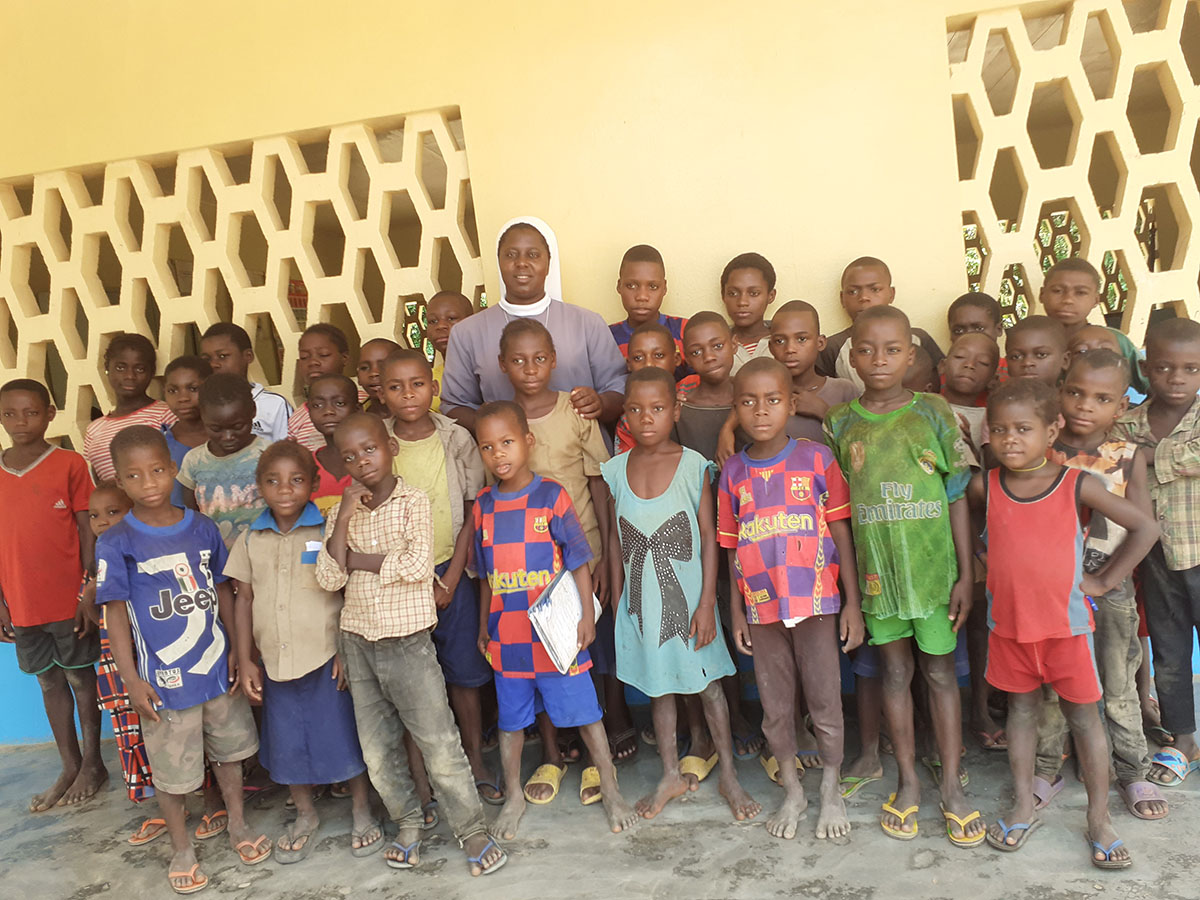
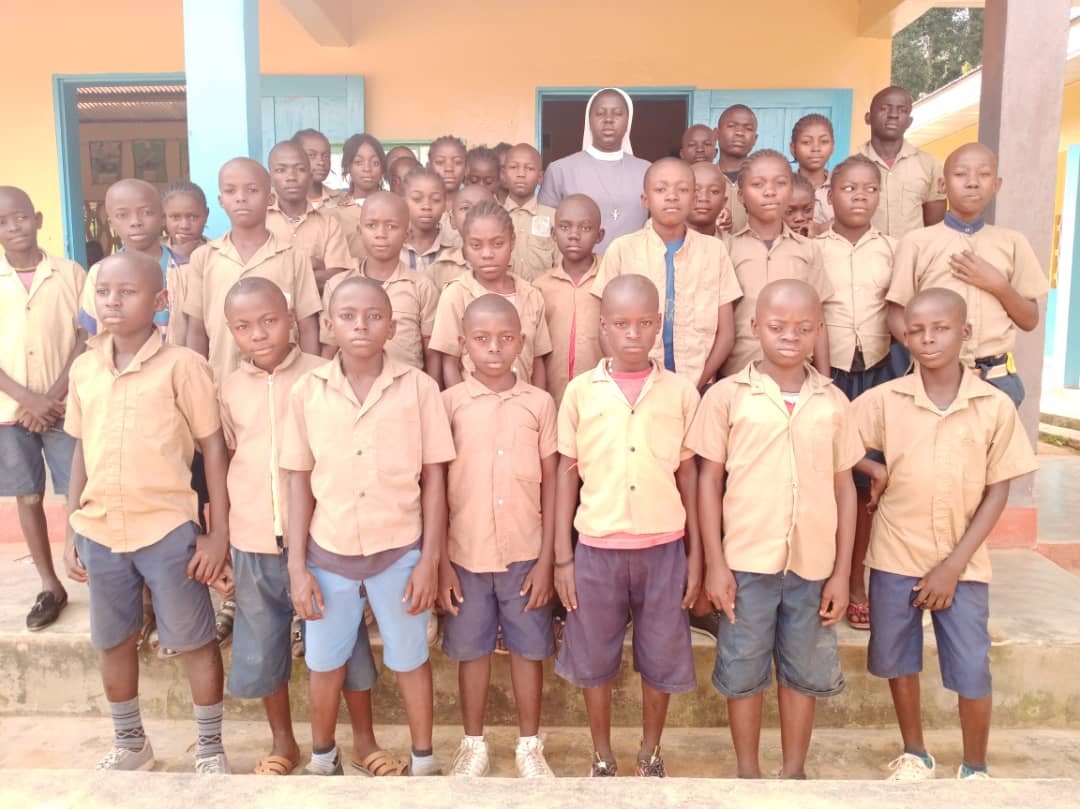
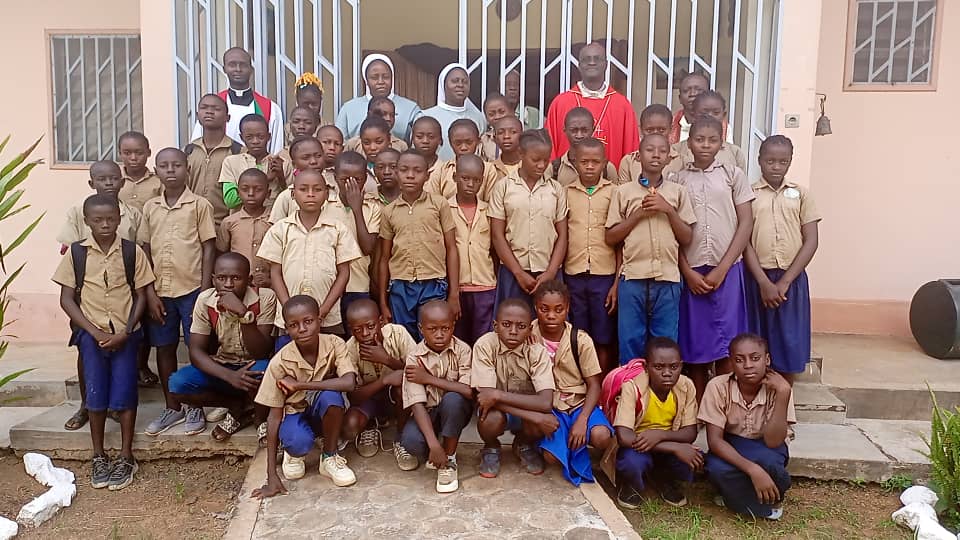
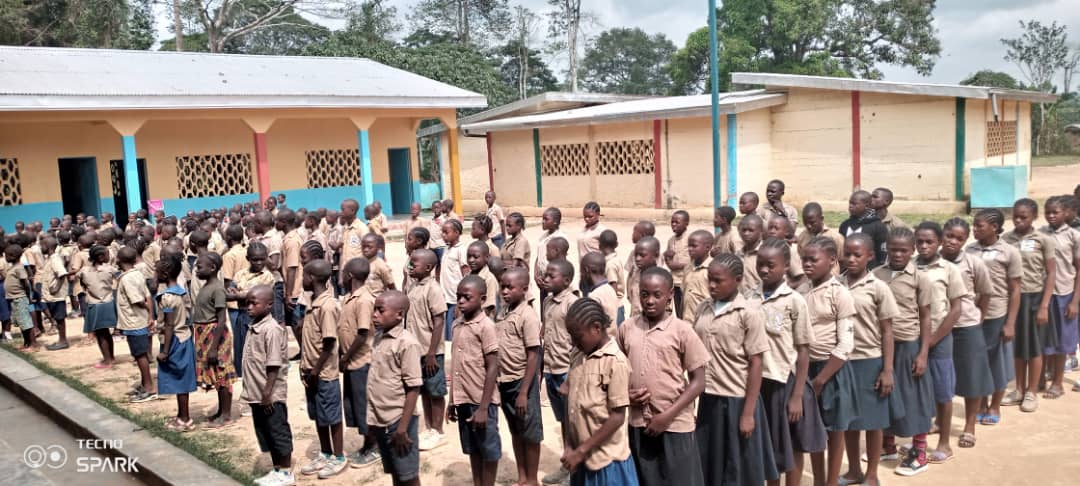
The Catholic elementary school of San Kizito is one of three schools founded and run by the Franciscan Missionary Sisters of the Sacred Heart in the Republic of the Congo. The sisters arrived in the Congo in 1995 in the region of Sanga, in the locality of Sembe. The school "San Kisito" is the only elementary school in this locality that opened its doors to the children of the forest, the pygmies; who had no formal education opportunities. The Bantous, who feel superior to the pygmies, could not sit on the same benches to learn together with the children of the forest.
One of the works of evangelization of the Institute of the Franciscan Missionary Sisters of the Sacred Heart is precisely the mission of education, so dear and desired by our Founder Laura Leroux, who wanted this service to be given with predilection to the poorest and most abandoned of society. The sisters, considering the importance of education and faithful to their charism and apostolic mission, founded the elementary schools, among them, "Saint Kisito" to welcome and give an opportunity of integral education to the children of the forest. Access to education is offered not only to the pygmies, but also to the Bantous. Both learn and share together the knowledge and dignity of being children of God.
There are many challenges to face in carrying out this mission:
- the arduous awareness to be made to the population in general about the importance of the education of children: for the pygmies education is not important and 60% of Bantous are wary of sending their children to school.
- The only means of survival is agriculture and children must be available at home to go with their parents to the fields to work. All justifications are good for not sending children to school.
- The pygmies live in extreme poverty and to have them in school must provide for their needs and also for everything necessary for the school.
Pygmies are nomads, they do not cultivate, they eat what nature offers them, that’s why they prefer to live in the forest, there they can hunt, collect the fruits and satisfy their needs without depending on anyone, they move from one place to another according to their need.
When they consider it appropriate to return to the village, however, they always settle a little far from the center. This makes the seasonal schooling for them because they move according to the seasons of particular harvests in the forest.
Despite these challenges, we continue our work of awareness and education, trying to avoid discrimination even if, with all the efforts and good will, it will never be possible to satisfy everyone. We had pygmy children who went from primary school to secondary school and great was our joy to know the positive results of the tests since the first five pupils in the ranking, were all pygmies! Despite their poverty, some parents of pygmy children come to us to offer their contributions to the education of their children.
Let us give thanks to God, the author of every good, because he has chosen us to serve in this mission and, by his grace alone, he guides us in our daily activities in the footsteps of providence, for the glory of His holy name and for our sanctification.
Sister Blessing Lukong
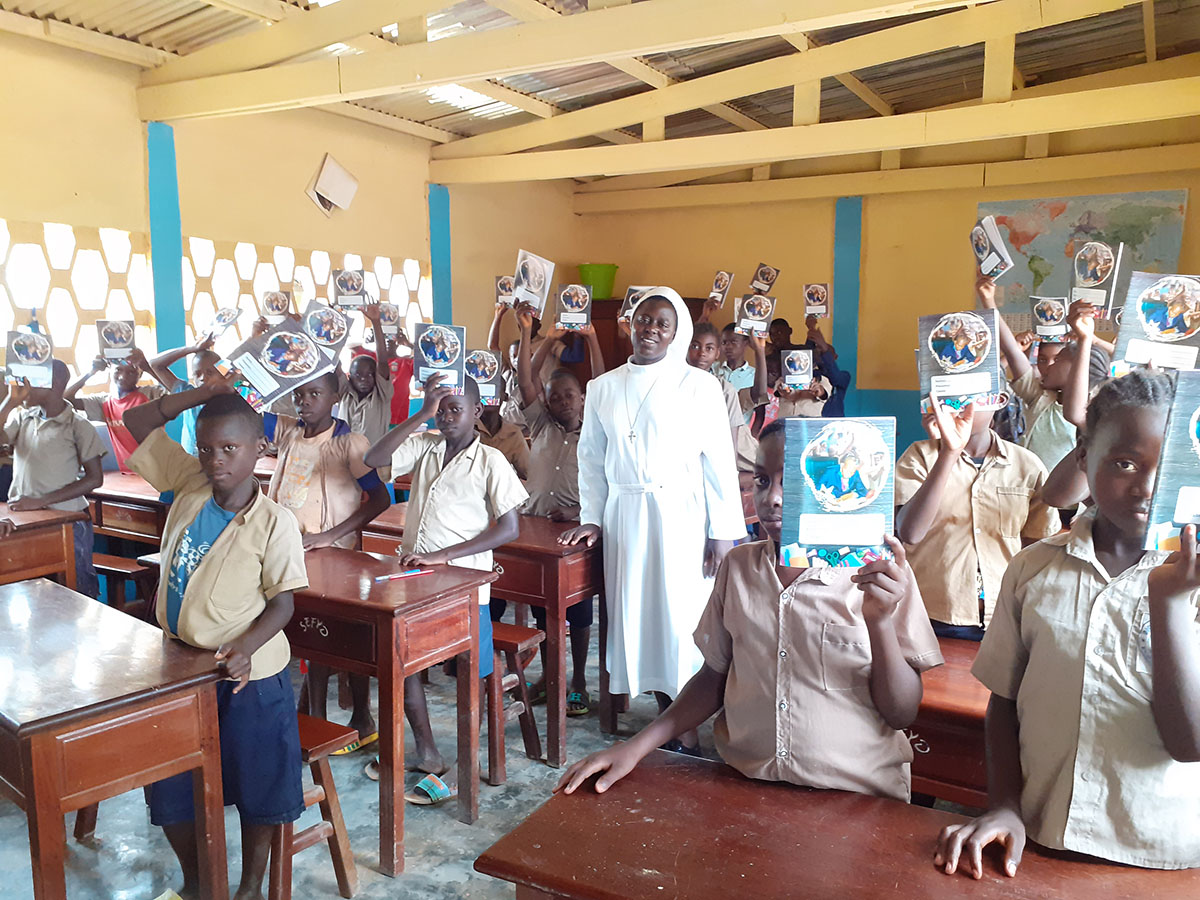
«The book is strength, it is value, it is power, it is food;
Torch of thought and source of love» (Rubén Dario)